
How It Works
How Fast Does Mold Grow After a Leak? Inside the 24–48 Hour Window
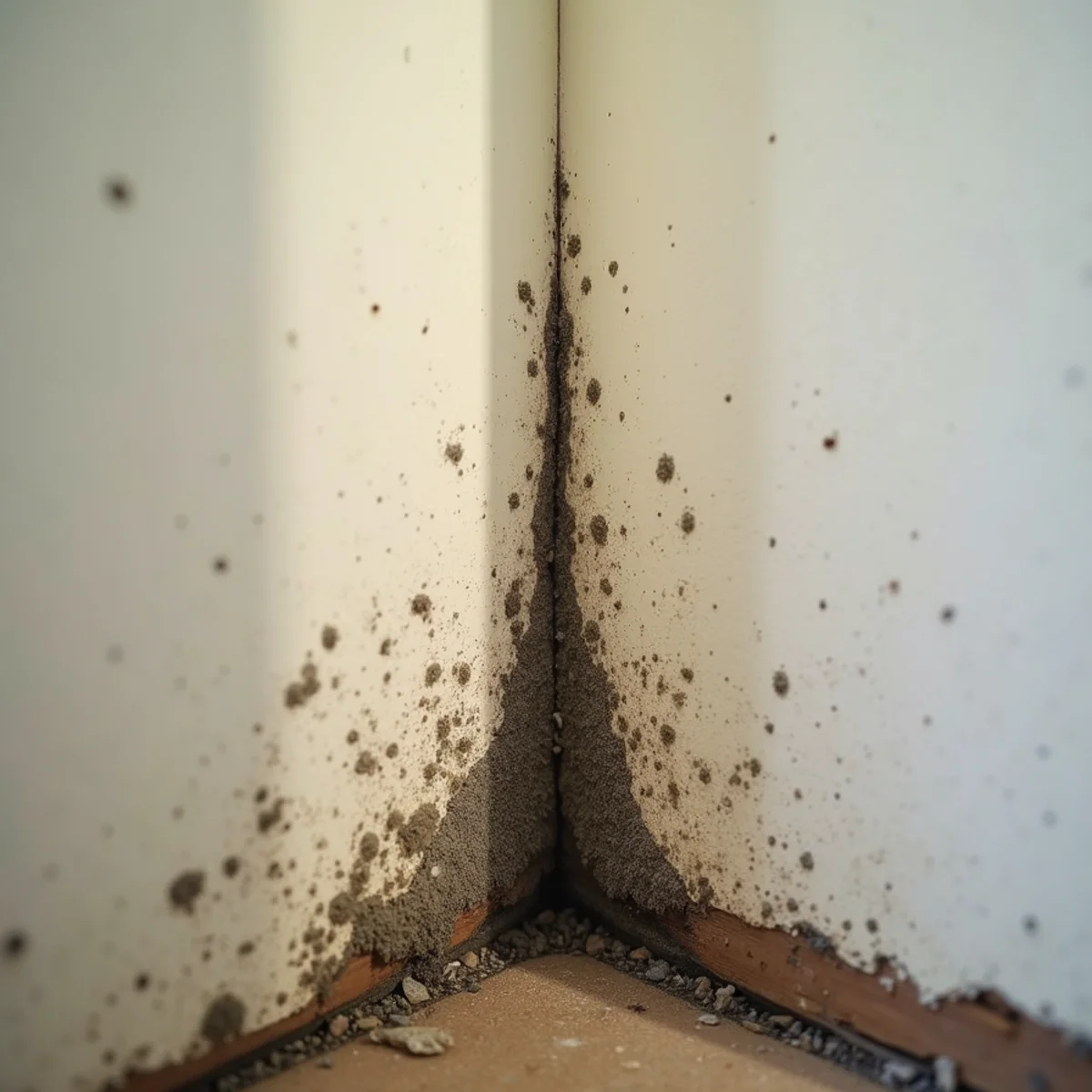
The question comes up on almost every emergency call: "How much time do I actually have?" After a leak, a burst supply line, or an overflow, homeowners want a number — and the honest answer is that mold can begin colonizing wet materials in as little as 24 to 48 hours. That window is the entire reason fast water extraction and drying matter more than almost anything else in a water loss.
Mold isn't something that appears out of nowhere. Spores are already present in ordinary household dust, floating through the air of nearly every home in Chino Hills. All they need to activate is moisture, a food source, and time — and a fresh water leak hands them all three at once.
Why 24–48 hours isn't a scare tactic
Mold spores are microscopic and everywhere, riding on air currents and settling on every surface in your house. Under normal conditions they're dormant, because dry surfaces can't support growth. The moment a material like drywall, wood framing, or carpet padding takes on water and stays wet, spores that land on it have what they need to germinate. In warm indoor conditions, that germination process can begin within a day, with visible colonies following in as little as a week if the material never fully dries.
The mold timeline, hour by hour
Once a material is wet, the clock looks roughly like this:
- Hours 0–24: Materials are saturated but usually still look and smell normal. This is the highest-value window for extraction, because water hasn't fully migrated into porous materials yet.
- Hours 24–48: Spores on wet drywall paper, wood framing, and carpet backing begin to germinate. Nothing is visible yet, but colonization has started.
- Days 3–5: Colonies become established and start producing new spores of their own, capable of spreading further.
- Days 5–12: Most homeowners finally notice a musty smell or the first faint discoloration — meaning the mold already has close to a week's head start.
Some materials mold faster than others
Not every wet surface carries equal risk. Paper-faced drywall and the organic glue in carpet backing are ideal food sources and mold quickly. Untreated wood framing and subfloor aren't far behind. Tile, sealed concrete, and metal don't feed mold directly, but a damp surface on any of these can still hold enough moisture at the edges — grout lines, baseboards, trim — to let growth start nearby. That's why a "hard surface" flood can still turn into a mold problem if the water reached carpet, drywall, or wood anywhere along its path.
What speeds it up in Chino Hills homes
Mold grows fastest in warm, humid, still air — roughly 77–86°F with humidity above 60%, which describes a lot of closed-up Southern California interiors for much of the year. Rooms with less airflow, including homes shaded by the oak and walnut woodland along Chino Hills State Park, can hold ambient moisture a little longer after a leak than a room in full sun with air moving through it. None of that changes the basic math — it just means some rooms have even less margin than others.
The only thing that reliably stops the clock
You can't out-clean mold that's already established, and surface treatments don't fix wet material hiding behind a wall or under flooring. The only reliable way to stay inside the safe window is fast, complete water removal followed by verified structural drying — pulling moisture out of framing, subfloor, and drywall until a meter confirms the material is actually dry, not just dry-looking. That's the difference between a water loss that closes out clean and one that turns into a remediation project a few weeks later. Air movers alone won't do it either; without a dehumidifier pulling the moisture out of the air once it evaporates, you're just relocating the humidity from the wall to the room, where it can settle right back into the nearest porous surface.
Why your insurance timeline works the same way
Most homeowners policies include a duty to mitigate further damage once a loss happens, and insurers understand the mold clock as well as restoration companies do. Reporting the loss promptly and starting extraction and drying inside that same 24–48 hour window protects your claim as much as it protects your house. A delay that lets a preventable water loss turn into a mold problem can complicate coverage, because adjusters draw a real distinction between damage caused by the original event and damage caused by a slow response to it — and the second category is a much harder conversation to have.
If you're already past 48 hours
If it's been longer than two days since the water event — or you don't know how long a leak was running before you found it — assume some colonization has already started, even if you can't see or smell it yet. Don't reach for bleach on a hunch; wiping a visible patch does nothing about growth inside a wall cavity or under padding, and disturbing it without containment can spread spores into cleaner parts of the house. A proper mold remediation inspection identifies how far it's actually spread and, just as important, finds and fixes the moisture source so it doesn't come right back. That inspection also tells you what you're actually dealing with — a contained, one-room job is a very different scope than growth that's traveled into a shared wall cavity or the HVAC system.
Whether you're an hour into a leak or a week past one and just noticing the smell, the fastest path to a clean outcome is getting a professional on it now. Call Water Damage Chino Hills at (201) 277-9344 — we answer 24/7 and can start extraction and drying before the 48-hour window closes.
Frequently asked questions
How fast does mold actually start growing after a leak?
Can a fan or open windows stop mold from growing?
Is it too late to prevent mold if it's already been 3 days?
Water Damage Chino Hills
A local, IICRC-certified restoration team serving Chino Hills and the Inland Empire 24/7. Water damage right now? Call (201) 277-9344.