
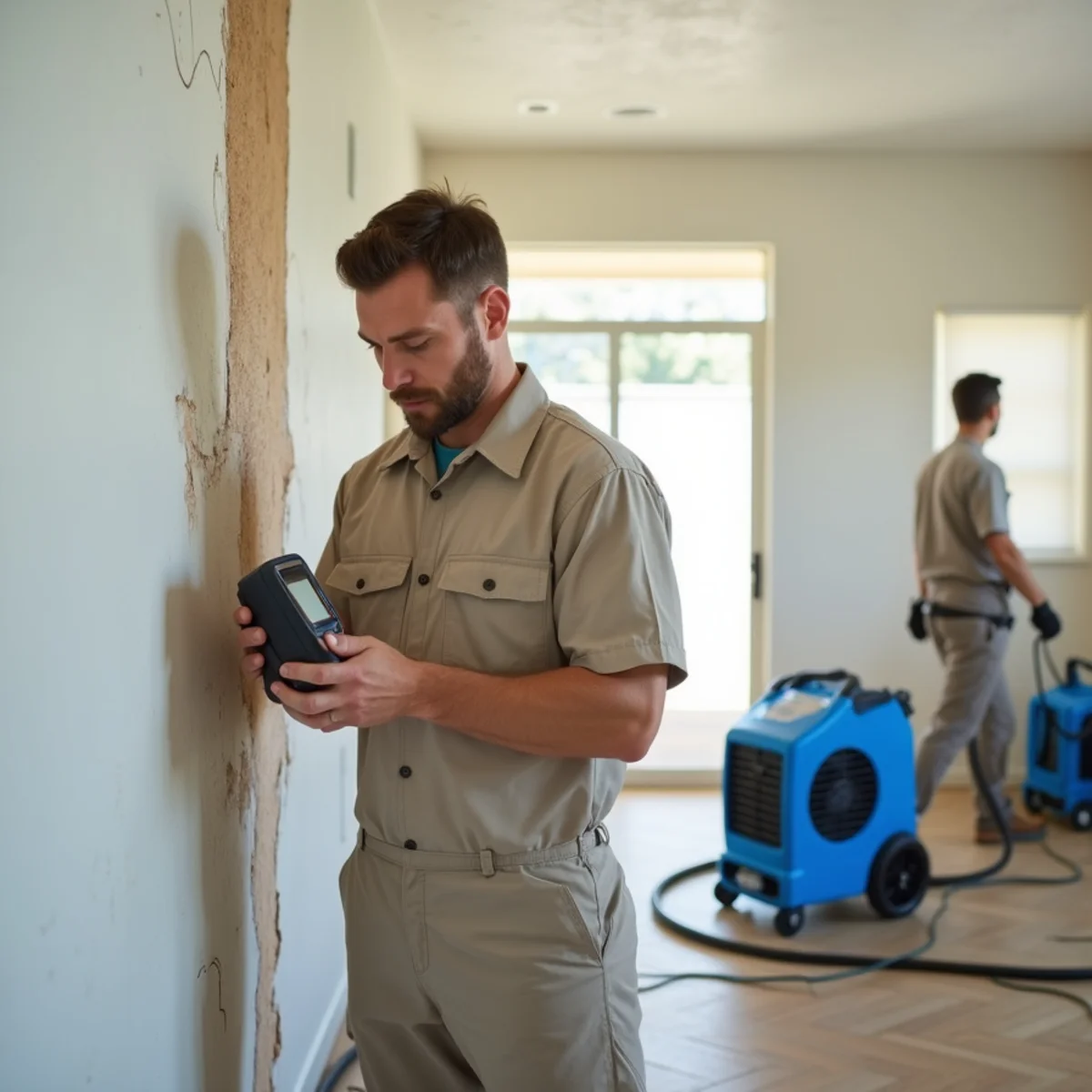
24/7 Emergency · Chino Hills, CA
Water Damage Restoration in Chino Hills, CA
If water is spreading through your Chino Hills home right now, call us first, then keep reading while help is on the way. A live person answers around the clock, and a local crew can be rolling toward you within about an hour.
Serving Chino Hills & the Inland Empire · Open 24 hours — 7 days a week
Water never sits still. It wicks up drywall, slides under baseboards, and soaks the pad beneath your carpet long before the surface looks wet. Left alone for a day or two, a clean-water leak turns into swollen floors, stained ceilings, and the first musty hint of mold. Speed is the whole game.
We handle the entire loss from one phone call: emergency extraction, structural drying, mold prevention, and the repairs that put your home back the way it was — with photos, moisture logs, and a Xactimate-style estimate your adjuster will recognize.
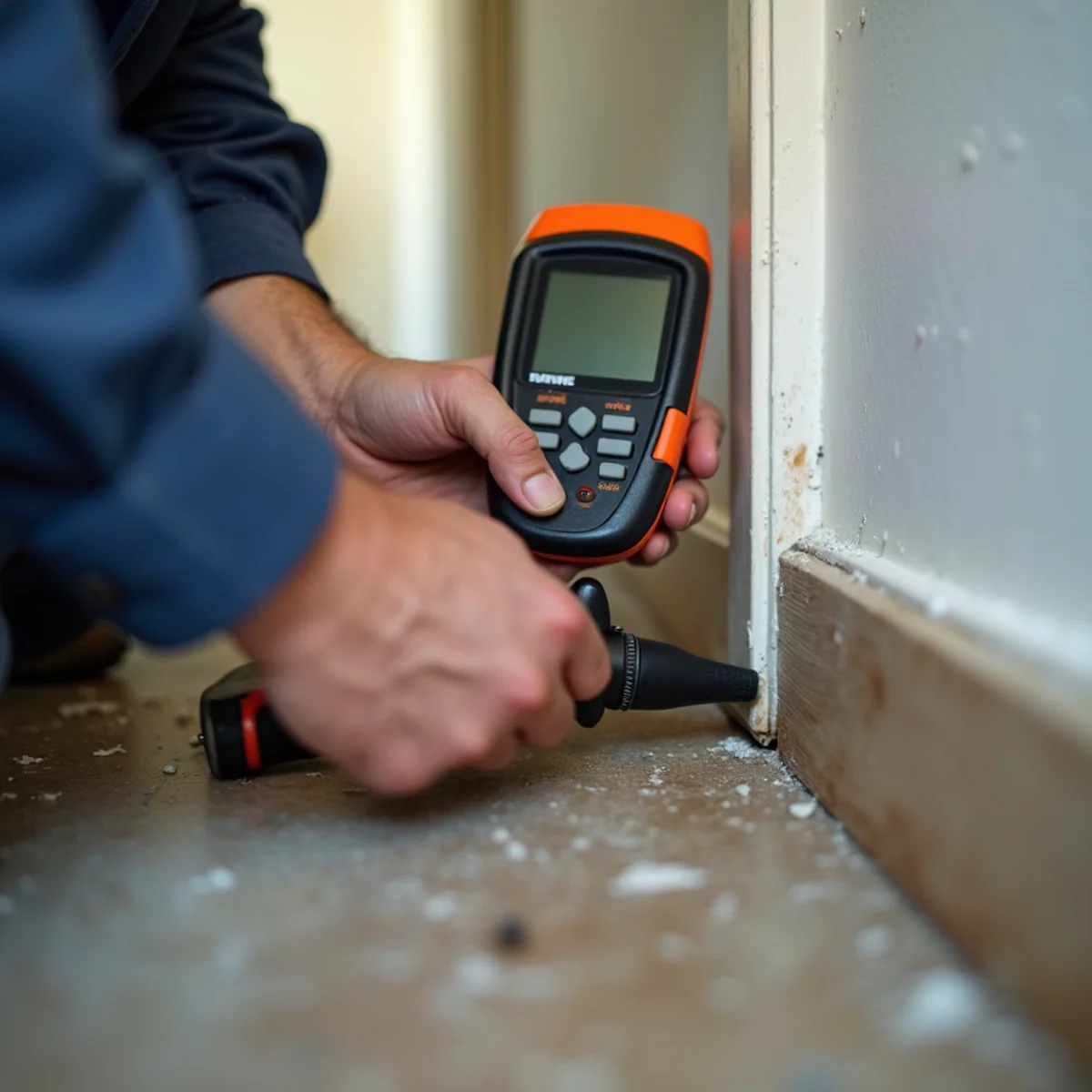
Signs you need water damage restoration
- Standing water or soaked carpet after a leak, overflow, or storm
- Warped, buckling, or spongy hardwood and laminate flooring
- Brown rings or sagging on the ceiling or drywall
- A musty, damp smell that won't air out
- Peeling paint, bubbling baseboards, or tide lines on the wall
- A spike in the water bill with no obvious cause
Our water damage restoration process
Every job follows the same disciplined sequence so nothing gets missed and your insurer gets clean documentation:
- 1
Emergency call & dispatch
You reach a real person any hour. We confirm the address, the water source, and whether it's safe to stay, then dispatch the nearest Chino Hills crew.
- 2
Inspection & moisture mapping
We find the water you can't see with meters and thermal imaging — inside walls, under flooring, and in ceilings — and photograph everything before we touch it.
- 3
Water extraction
Truck-mounted and portable units pull standing water out of carpet, pad, and hard surfaces before it can spread further into the structure.
- 4
Structural drying
We set air movers and LGR dehumidifiers to a calculated drying plan and take daily moisture readings until materials hit dry standard — not dry by guesswork.
- 5
Cleaning & sanitizing
HEPA air scrubbers and antimicrobial treatment control odor and stop mold from taking hold in the 24–48 hour window.
- 6
Repairs & final walkthrough
Drywall, flooring, and paint go back in, we take a final moisture reading, and you get a documentation package for your claim.
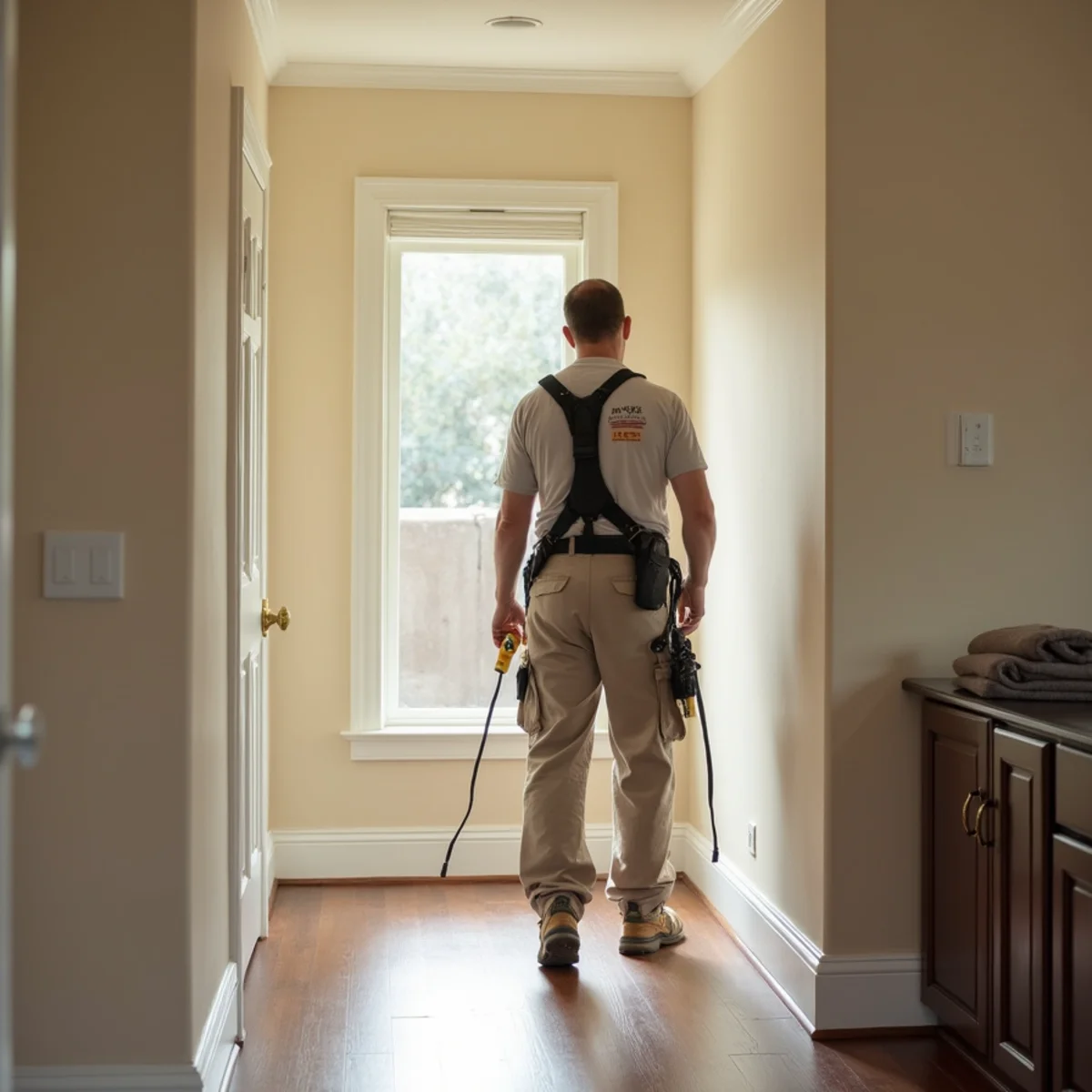
What affects the cost
Nobody can quote a water loss honestly without seeing it, but a few factors drive every estimate. Industry data puts the average U.S. water damage restoration job around $3,800, with most falling between roughly $1,400 and $6,400. Here's what moves the number:
- Water category
- Clean water (Category 1) is the least involved. Gray water and sewage (Category 2–3) require more PPE, disposal, and disinfection.
- Affected square footage
- How far the water traveled — one room versus a whole floor — sets the amount of drying equipment and labor.
- Materials soaked
- Carpet and pad dry cheaply; hardwood, cabinetry, and plaster take longer and sometimes have to be removed.
- How long it sat
- A leak caught in hours costs far less than one discovered after a weekend away, when mold and secondary damage set in.
- Mold presence
- If mold has already started, containment and remediation add scope. Fast drying is the cheapest mold insurance there is.
We never quote a water loss sight-unseen. Call (201) 277-9344 for an honest, on-site assessment.
Need water damage restoration in Chino Hills?
Tell us what happened — a live person answers any hour and gets a crew moving.
Answering 24/7 60-min response target Licensed & insured
We work directly with your insurance company
Most Chino Hills water losses are covered when the cause is sudden and accidental — a burst supply line, a failed water heater, an overflowing appliance. We document the damage the way adjusters expect, provide daily drying logs, and write estimates in the format your carrier uses, so you're not fighting the paperwork alone.
Think of us as your claim advocate, not just the crew that dries the house. We photograph the source, capture moisture readings, itemize affected materials, and talk to your adjuster directly when you want us to.
Built for Chino Hills homes
Chino Hills is largely 1980s–90s hillside tract housing on slab-on-grade foundations, and that plumbing is now hitting the age where copper pin-hole leaks and slab leaks show up. Add hard Inland Empire water, Santa Ana wind-driven rain, and steep-lot drainage, and this city sees a specific mix of losses. We know these homes and the way water moves through them.
What week one actually looks like
The first day is about stopping the loss and getting standing water out — that part moves fast and feels productive. What catches most homeowners off guard is the stretch after: three to five days of air movers and dehumidifiers running while the house looks the same from one visit to the next. That's normal. It means the equipment is doing its job pulling moisture out of framing and subfloor you can't see. Around day four or five we sit down with you, review the moisture readings, and lay out exactly what needs to be rebuilt and what doesn't.
By the time drying equipment comes out, you should have a clear rebuild list, not a guess. We separate what's cosmetic — paint, a patch of drywall, new baseboards — from what's structural, like subfloor or framing that has to be replaced before flooring goes back down. Permits get pulled when the scope requires them, and we sequence trades so drywall isn't going up before an inspector needs to see behind it. You'll know, in writing, what's happening and roughly when, instead of waiting on a phone call to find out where your project stands.
What we save versus what we remove
Not everything wet needs to be thrown away, and not everything that looks fine actually is. The call comes down to three things: what category of water touched it, how long it sat, and what the material is made of. Clean water caught within a day or two is forgiving — carpet, solid hardwood, and most cabinetry often dry and stay in place. The same water left for a week, or any amount of contaminated water, changes the answer fast, because porous materials hold contamination in ways cleaning can't reliably fix.
We'd rather tell you a floor can be saved and be right than promise it just to keep you happy. That means pulling carpet back to check the pad, checking hardwood with a moisture meter before deciding whether it will cup or crown, and opening the toe kick on cabinetry to see if the particleboard base swelled. Every item we remove gets photographed and logged for your claim before it leaves the house, so there's a record of the decision — not just our word for it.
Mistakes that turn a manageable loss into a bigger one
The costliest mistake we see is waiting a day or two to "see how bad it really is" before calling anyone. Water doesn't pause while you decide — it keeps wicking into baseboards, subfloor, and drywall the whole time you're weighing options. A close second is running a box fan and calling the job done because the carpet feels dry to the touch. Surface-dry and structurally dry are two different things, and skipping the second one is exactly how a contained leak becomes a mold remediation job three weeks later.
Another common misstep: tossing ruined items — carpet, baseboards, boxes from the garage — before anyone photographs them for the claim. Once it's in the trash, it's much harder to document for your adjuster. We also see homeowners hire the first door-knocking crew that shows up after a storm without checking they're actually licensed and insured. Get a written scope before work starts, whoever you hire. It protects you if there's a dispute later and gives you something concrete to compare against the finished job.
What you get at the final walkthrough
When the job is finished, we don't just hand you a key and leave. We walk every affected room with you, point out what was replaced versus what was cleaned and dried in place, and confirm final moisture readings against the dry standard we set on day one. If texture, paint, or trim was matched, we look at it together in normal daylight, not under a work light, so you're approving what you'll actually live with — and if you have questions about any of it, that's the time to ask, not after we've already packed up the truck.
You leave that walkthrough with a documentation package: dated photos from every stage, daily drying logs, an itemized scope of what was done, and — if permits were pulled — final inspection sign-off. That package is what your insurer wants for closing the claim, and it's useful again later if you sell the house or a question comes up about what work was done in that room. We keep a copy on file too, in case you ever need it reissued.
Why Chino Hills chooses us for water damage restoration
When water damage restoration is on the line, the details decide the outcome. Here’s what you get with our local crew:
24/7 live response
A real person answers any hour, with a 60-minute arrival target across Chino Hills.
Licensed, insured & IICRC-certified
A California restoration contractor with trained technicians and full coverage.
Dried to a verified standard
Daily moisture logs prove the job was done right — not dried by guesswork.
Insurance claim advocates
We document the loss and deal with your adjuster directly, Xactimate estimates included.
Local to Chino Hills
We know these hillside slab homes, the hard water, and the Santa Ana storms firsthand.
Where we provide water damage restoration
We’re based in Chino Hills and deliver water damage restoration across the Inland Empire and North Orange County — from Chino Hills and Chino to Diamond Bar, Corona, Yorba Linda, Brea, and the neighborhoods in between. Fast local dispatch means the water spreads less and your loss stays smaller.
Water Damage Restoration FAQs
How fast can you get to my Chino Hills home?
Will my homeowners insurance cover this?
Do I have to move out during restoration?
How long does the whole process take?
What should I do before you arrive?
Will you move and catalog my furniture and belongings during the job?
Do you coordinate the rebuild, or do I have to hire my own contractors?
What happens if you find more damage once repairs start?
Related Services
Need water damage restoration in Chino Hills?
Our Chino Hills crews are on call 24/7 with a 60-minute response target. Call now or request your free estimate.