
Insurance & Cost
Does Homeowners Insurance Cover Water Damage in California? What's In and What's Out
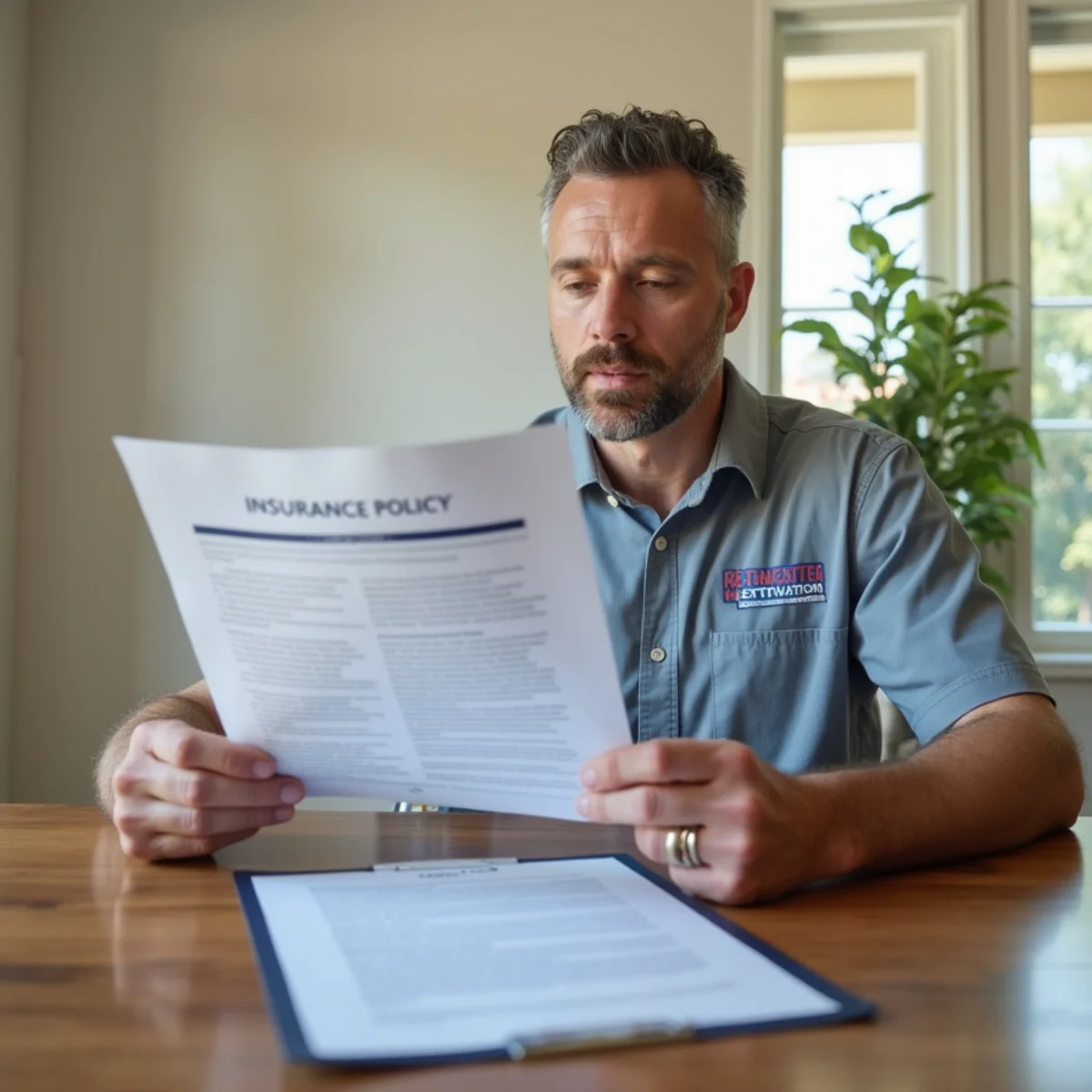
"Is this covered?" is usually the first question we hear after "can you get here fast," and it's the harder one to answer honestly. California homeowners insurance covers a lot of water damage — but not all of it, and the line between covered and denied often comes down to details you documented, or didn't, in the first hour.
Here's what's typically in, what's typically out, and the two big gaps — flood and sewer backup — that catch Chino Hills homeowners off guard every year. None of this replaces reading your actual policy or talking to your agent; every carrier writes its own language, and this is general guidance, not a legal opinion on your specific coverage.
The Short Answer: It Comes Down to One Word — "Sudden"
Every standard homeowners policy is built around the same basic idea: it covers things that happen to you suddenly and accidentally, not problems that developed slowly and could have been caught earlier. A pipe that bursts on a Tuesday afternoon is a covered event. A pipe that's been weeping behind a wall for months, quietly rotting the framing until it finally shows up as a stain, is treated very differently — even though the water itself is identical. Insurers call this the difference between a sudden loss and "wear and tear" or "lack of maintenance," and it's the single biggest factor in whether a water claim gets paid.
What's Typically Covered
Sudden, accidental internal water damage is the core of what a standard policy is designed for. That generally includes:
- A burst or ruptured supply line, whether behind a wall, under a slab, or exposed
- A water heater that fails and floods a garage or closet
- A washing machine hose, dishwasher line, or ice maker line that lets go
- An appliance malfunction that causes a sudden overflow
- Accidental discharge from plumbing, such as a toilet supply line failure
In these cases, most policies cover the resulting water damage repair and, often, the reasonable cost of accessing the failed component — though the plumbing repair or part replacement itself is frequently excluded and treated as a separate cost. Once damage is confirmed, water damage restoration should start immediately; the faster the response, the cleaner the claim, because there's less secondary damage to argue about.
What's Typically Not Covered
Gradual damage is where claims get denied. Common examples:
- A slow leak under a sink that ran for weeks or months before anyone noticed
- Seepage through a foundation, roof, or window over multiple rain events
- Damage from a known issue that was never repaired
- Mold that resulted from a leak that went unaddressed for an extended period
Insurers investigate the timeline. If an adjuster finds evidence the damage built up over months — rot, layered staining, or mineral buildup around a fitting — that points toward a maintenance issue rather than a sudden loss, and the claim is more likely to be reduced or denied. This is exactly why documenting a water event immediately, with photos and a clear timeline, matters as much as the repair itself.
The Flood Exception: A Separate Policy Entirely
This surprises a lot of homeowners: standard California homeowners policies almost universally exclude flood damage — water that enters your home from outside due to storm runoff, a rising creek, or general surface water. It doesn't matter how sudden or unexpected the flooding felt. If the water's origin is outside the home rather than a failure inside it, you typically need a separate flood insurance policy to be covered, through the National Flood Insurance Program or a private flood carrier. Internal failure and external flood are two different risks, covered by two different types of policies.
Sewer and Drain Backup: The Gap Almost Nobody Reads About
Water or sewage that backs up through a drain or toilet is, by default, often excluded from a standard homeowners policy — even though it's an internal event. Coverage for backup usually requires a specific endorsement, sometimes called sewer backup or water backup coverage, which many carriers offer cheaply but few homeowners add without being asked. If you've never specifically checked for this endorsement, it's worth a call to your agent before you need it, not after.
Chino Hills' Wildland Edge Adds a Local Wrinkle
Homes near Chino Hills State Park and the surrounding wildland-urban interface face a compounding risk that's easy to miss: after a wildfire burns hillside vegetation, that ground loses its ability to absorb rain. The next storms send runoff and debris downhill fast, sometimes flooding homes that have never taken on water before. Because that water originates outside the home, it's typically treated as flood or surface water for insurance purposes — not a standard covered peril — which is exactly the scenario flood insurance exists for if you're on that edge of the city.
What to Do the Moment You Find Water Damage
Whatever the cause, your actions in the first hour affect your claim. Shut off the water source if it's safe to do so, take photos and video before you move or clean anything, and call for professional mitigation quickly — most policies actually require you to take reasonable steps to prevent further damage, and delaying can be used against a claim. Our emergency water removal team documents the source and timeline as part of the response, which gives your claim the clearest possible story.
If you're unsure whether what you're looking at is covered, don't guess — call (201) 277-9344. We'll help you document it correctly from the first visit, which is the best thing you can do for your claim regardless of how it's ultimately decided.
Frequently asked questions
Will my insurance cover a slow leak I just found?
Do I need flood insurance if I'm not in a mapped flood zone?
What's the difference between water backup coverage and flood insurance?
Water Damage Chino Hills
A local, IICRC-certified restoration team serving Chino Hills and the Inland Empire 24/7. Water damage right now? Call (201) 277-9344.