
Insurance & Cost
Sewage Backup Cleanup Costs — and Whether Your Insurance Will Actually Pay
A sewage backup is the most expensive category of water damage, and it's also the one most likely to catch homeowners without coverage. The cleanup itself is more involved than a clean-water loss for good reason — this is contaminated water carrying real health risk — and the insurance question has a twist that surprises a lot of people after the fact.
Here's what actually drives sewage cleanup cost, and the coverage gap you want to know about before you need it, not after.
Why Sewage Cleanup Costs More Than a Typical Water Loss
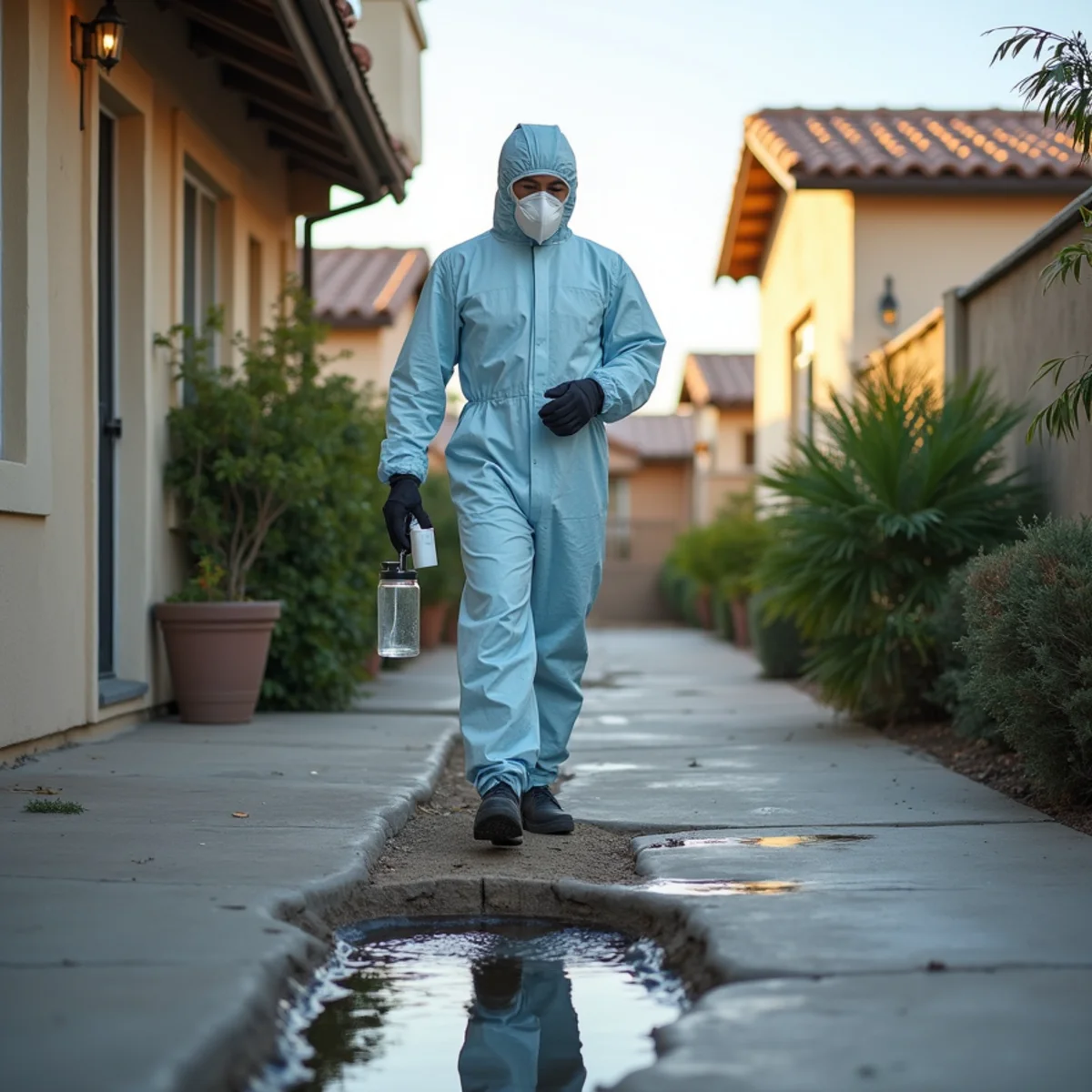
Sewage is classified as Category 3, or "black water" — the most contaminated tier in the water damage industry, carrying bacteria, viruses, and other pathogens. That classification changes the entire job. Crews work in full protective equipment, porous materials that touched the water are generally removed rather than dried and saved, every surface gets disinfected to a sanitary standard, and contaminated waste requires proper disposal. On the industry's per-square-foot scale of roughly $3 to $7.50, Category 3 losses sit at the top of that range, because so much of the cost is the health and safety protocol layered on top of ordinary drying. Cross-contamination is a real risk too if the work area isn't controlled properly — foot traffic can track contaminated water into unaffected rooms, which is why professional crews restrict access to the work area from the first minute on site. Because black water saturates porous materials so quickly, a delayed response also raises the odds of needing mold remediation on top of the sewage cleanup itself.
What Drives the Price Within a Sewage Job
Beyond the baseline Category 3 premium, a few specific factors move the number:
- How far the backup spread — a contained bathroom overflow costs far less than sewage that traveled across a finished basement or lower level
- What it touched — carpet, pad, and drywall that absorbed black water typically can't be saved and have to be removed and replaced
- Disposal requirements — contaminated materials must be bagged and disposed of according to code, which adds labor and cost
- Whether the source needs plumbing repair — a root-blocked or collapsed main line often means coordinating a plumber alongside the cleanup, not just cleaning up the result
A single-fixture backup caught quickly is a very different job than sewage that backed up overnight and spread through multiple rooms.
The Insurance Question: Usually Excluded by Default
Here's the part that surprises people: even though a sewage backup feels like exactly the kind of sudden, accidental event homeowners insurance is supposed to cover, most standard policies exclude water or sewage that backs up through a drain, sewer line, or sump pump. It's treated as a distinct risk category, separate from a burst pipe or appliance failure, even though it can be just as sudden and just as far outside your control. Homeowners who assume "sudden water damage is covered" often learn about this exclusion for the first time while filing a claim, which is the worst possible time to find out. Landlords and commercial property owners should check their policy separately from a standard homeowners form, since backup exclusions and available endorsements are often structured differently on rental and commercial policies.
The Water Backup Endorsement: Cheap Coverage Most People Skip
The fix for this gap is usually a specific endorsement, often called water backup or sewer backup coverage, that many carriers offer as a low-cost add-on to a standard policy. It's rarely included automatically; you typically have to ask for it or notice it as an option when reviewing your policy. If you've never specifically confirmed you have this endorsement, it's worth a call to your agent this week — it's one of the least expensive additions relative to the size of the loss it protects against.
When a Sewage Backup Might Be Covered Without the Endorsement
There are edge cases. If a backup is caused by a documented failure or blockage in the municipal sewer main rather than your private lateral line, the city or utility may bear some responsibility, though pursuing that is a separate and often slower process than a standard insurance claim. And because policy language varies, some policies define the excluded event narrowly enough that a specific cause could fall outside it — this is genuinely policy-specific, and it's why we always recommend homeowners read the exact exclusion language or ask their agent directly rather than assuming either way. We document the cause and pattern of every backup we clean up — whether multiple drains gurgled at once, suggesting a main-line issue, or a single fixture backed up — because that detail matters for whichever direction the claim goes. Noting whether the problem sits on your side of the property line or the municipal side is useful even when you're not pursuing the city directly, since it can affect how your own carrier evaluates the claim.
What to Do (and Not Do) When Sewage Backs Up
Keep everyone, especially kids and pets, away from the affected area — this isn't water you clean up with a mop and a warning to watch your step. Don't attempt to extract or clean sewage yourself; without proper protective equipment and disposal, you risk real health exposure and can spread contamination to unaffected parts of the home. Photograph what you can from a safe distance, note which drains or fixtures were involved, and call a professional crew immediately. Our sewage cleanup team handles this daily across Pomona and the surrounding area, with the full containment, removal, and disinfection process a Category 3 loss requires.
If sewage is backing up in your home right now, don't wait and don't try to handle it yourself — call (201) 277-9344 for an immediate response.
Frequently asked questions
Why isn't sewage backup covered like a burst pipe?
Does mold from a sewage backup get treated differently by insurance?
How do I know if my policy has water backup coverage?
Water Damage Chino Hills
A local, IICRC-certified restoration team serving Chino Hills and the Inland Empire 24/7. Water damage right now? Call (201) 277-9344.