
Local Chino Hills
Living Near Chino Hills State Park: What the 2020 Blue Ridge Fire Taught Us About Wildfire and Water Damage
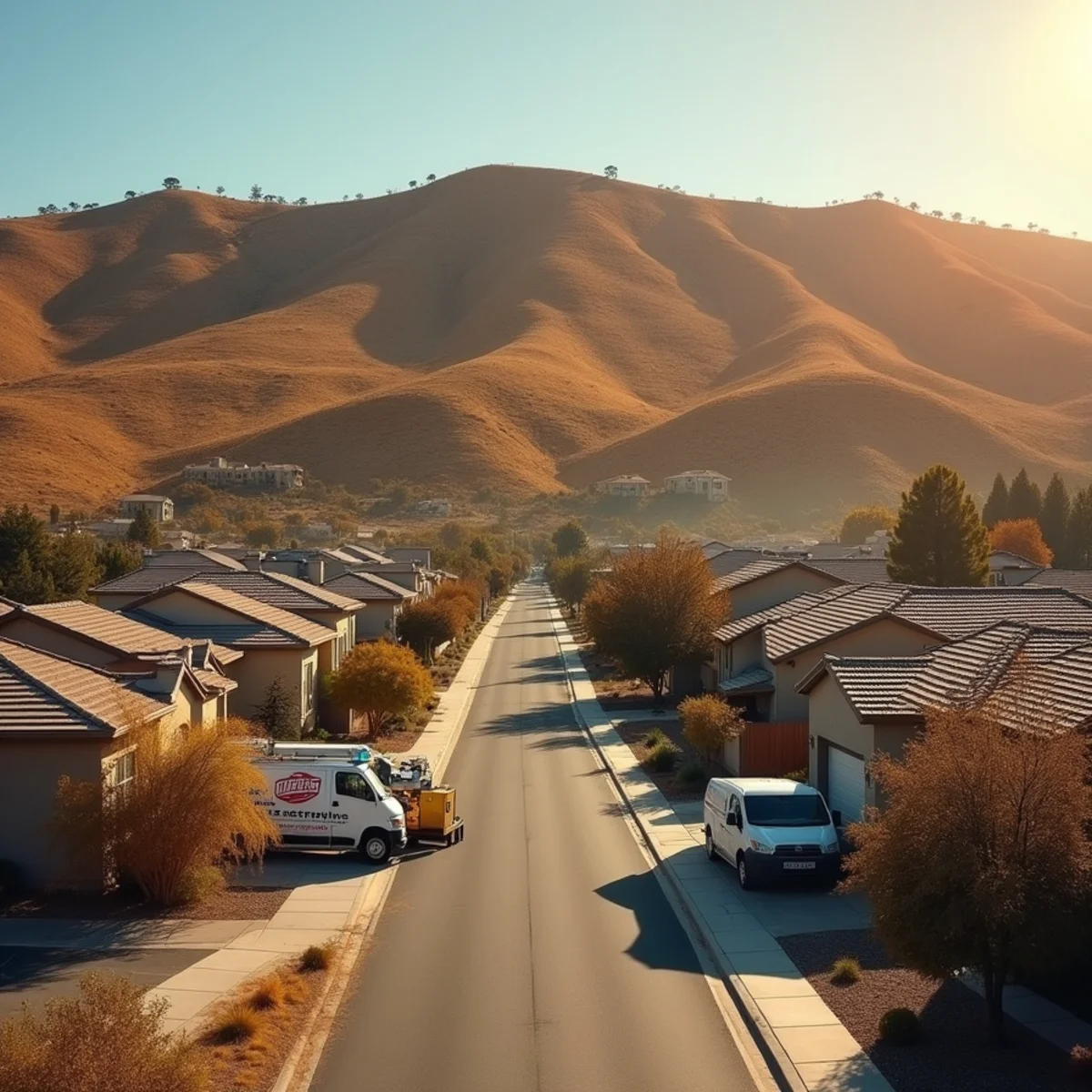
In October 2020, the Blue Ridge Fire burned through roughly half of Chino Hills State Park, forcing evacuations across neighborhoods that back up to the wildland edge. For most residents, the fire danger itself was the main event, and once it was contained, the story felt over. It wasn't. The months that followed taught a harder lesson: a wildfire doesn't just threaten a home with flame. It resets how the land around that home handles water for years afterward.
That lesson matters well beyond the specific streets that were evacuated in 2020, because the same terrain and the same wildland boundary run through a much larger stretch of Chino Hills.
What happened in October 2020
The Blue Ridge Fire moved through Chino Hills State Park, ultimately burning close to half of it before containment. Neighborhoods along the park's edge — the same hillside communities that border open space throughout Chino Hills — were placed under evacuation as the fire moved through the terrain. For homes on that boundary, it was a direct, close reminder of how much wildland sits right against the back fence, and how quickly that changes a neighborhood's risk profile for the seasons that follow.
The fire danger ends, but the water risk is just starting
Once the flames are out and evacuation orders lift, most people reasonably feel like the danger has passed. For burned hillsides, though, the real vulnerability to water is only beginning. Healthy slopes absorb rain — root systems, groundcover, and the organic layer built up over years all slow water down and let it soak in. Fire strips all of that away in a single event, and none of it grows back in a season. That gap between the fire ending and the land recovering is exactly where the water risk lives, often stretching across more than one winter.
Why burned slopes shed water instead of soaking it in
Intense heat can actually change the soil itself, baking the upper layer into a condition that repels water rather than absorbing it — instead of soaking in, rain runs off the surface almost like it would off pavement. Combined with the loss of vegetation and root structure that used to slow runoff on its way downhill, a burned slope sends far more water, far faster, toward whatever sits below it than the same slope would have before the fire. A storm that a healthy hillside would have absorbed without incident can send a genuine surge of runoff down a burned one.
Debris flows: the risk after the risk
Fast runoff on a burned slope doesn't move alone — it carries loose ash, scorched soil, and rock with it, especially during the first intense storms after a fire, before new vegetation has had a chance to re-stabilize the ground. That combination of water and debris moving downhill fast is exactly what created damage and safety concerns in the seasons following the Blue Ridge Fire, and it's a pattern that repeats after every wildfire on hillside terrain until the burned area recovers. Even a relatively ordinary storm can produce an outsized amount of runoff and sediment when it lands on ground that burned within the last year or two.
Which Chino Hills homes are on the wildland edge
Any neighborhood backing directly onto Chino Hills State Park or open hillside space carries this exposure, not just the homes closest to where a specific fire burned. The boundary between developed neighborhoods and open wildland runs through a meaningful stretch of the city, and every property along it inherits the same basic risk profile: normal storm exposure, plus whatever a future, or recent, fire adds on top of it. If your backyard fence is the last thing between your property and open hillside, this applies to you regardless of exactly where the 2020 fire line ended.
What homeowners on the edge should actually do
Before the first real storms of a season, especially the first one or two after a nearby fire, clear gutters and downspouts completely, confirm grading still directs water away from your foundation, and consider sandbags or water diversion at any low point where runoff naturally collects against the house. It's also worth understanding your coverage ahead of time: water and debris arriving from outside during a storm is a different category from a sudden internal failure like a burst pipe, and homeowners policies don't always treat the two the same way. Walking the property before the season starts — looking specifically at where water flowed last time it rained hard — tells you more than any generic checklist can.
If water or debris already got in
Runoff carrying ash and soil isn't clean water, and treating it like an ordinary spill misses the contamination it's carrying with it. Storm damage cleanup handles the water intrusion itself along with structural drying, and when the volume or debris load is heavier, a genuine flood event rather than a leak, flood cleanup covers the full muck-out, sanitizing, and drying process. Either way, getting ash-laden water out and the structure dried quickly matters as much here as it does after any other kind of water loss.
If you live along the edge of Chino Hills State Park or any hillside open space, don't wait for the next storm to test your drainage. Call Water Damage Chino Hills at (201) 277-9344 — we're available 24/7 for storm and flood response.
Frequently asked questions
How long does the debris flow risk last after a wildfire?
Does regular homeowners insurance cover debris flow damage?
Is my home at risk even if the Blue Ridge Fire didn't reach my street?
Water Damage Chino Hills
A local, IICRC-certified restoration team serving Chino Hills and the Inland Empire 24/7. Water damage right now? Call (201) 277-9344.