
How It Works
Wet Drywall: When It Can Be Saved and When It Has to Come Out
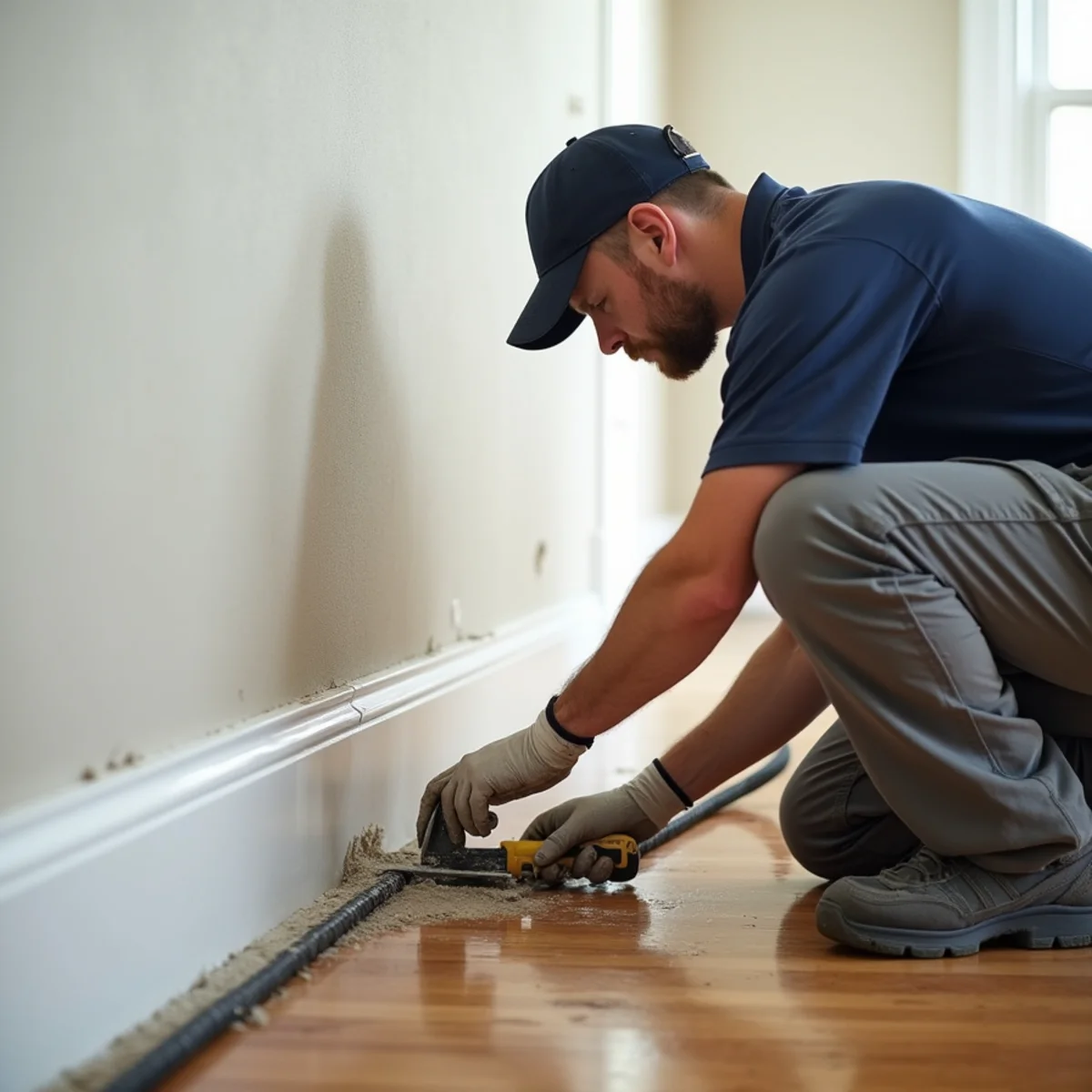
Wet drywall puts every homeowner in the same spot: a stained or soft patch of wall, and a decision about whether it can be dried in place or needs to be cut out. The honest answer depends on three things — what kind of water touched it, how long it stayed wet, and how far up the wall it traveled. Get those three answers and the save-or-replace call is usually obvious.
How Drywall Actually Absorbs Water
Drywall is a gypsum core sandwiched between two layers of paper facing, and both materials move water in a way that works against you. The paper wicks moisture upward through capillary action — the same physics that pulls water up a paper towel — often well above the actual waterline. A puddle that reached two inches up the wall can leave the paper and gypsum damp six inches or higher, which is why the visible stain is never a reliable guide to how far the damage actually goes. Standard paper-faced drywall behaves this way everywhere it's used; moisture-resistant "green board," common behind tile in bathrooms, has a facing that slows wicking somewhat but doesn't make it waterproof — it still needs the same moisture-meter evaluation once water has been standing against it for any length of time.
The Water Category Matters More Than the Wall Does
Clean water (what the industry calls Category 1) — a supply line, an appliance hose, rainwater — can often be dried in place if it's caught within the first day. The gypsum core and paper aren't inherently unsafe once dried; they're just wet. Gray water (Category 2, from washing machine discharge or a toilet overflow without waste) and black water (Category 3, sewage or floodwater) are a different problem entirely: contamination gets absorbed into the paper facing and gypsum, and there's no practical way to disinfect the inside of a wall cavity. When the water carried any contamination, the drywall comes out — that's not a judgment call, it's a health one.
The Flood Cut: Why We Cut Higher Than the Stain
When drywall does need to come out, restorers don't cut at the waterline — we cut well above it, typically at least twelve to eighteen inches above the highest point the water reached, or higher if a moisture meter still reads wet above that. This "flood cut" accounts for capillary wicking and gives a clean, straight line to work from during rebuild — cutting along a level line also means the new panel has solid framing or a furring strip to fasten to, rather than floating without support. It also opens the wall cavity enough to pull out wet insulation, which holds water even longer than drywall and will keep feeding moisture back into a new wall if it's left in place. Fiberglass batt insulation almost always comes out with the drywall once it's been saturated; the fibers hold water far longer than the open air space of a cavity would ever dry on its own, and reinstalling wet batts defeats the entire purpose of drying the wall.
When Drywall Can Legitimately Be Dried in Place
If the water was clean, the exposure was brief, and moisture meter readings are only modestly elevated, in-place drying is often the right call, using the same structural drying equipment and monitoring as the rest of the room. That usually means air movers directed at the wall, a dehumidifier working the space, and — where the cavity itself is wet — small drilled holes near the baseboard to let air movers push airflow inside the wall without demolishing it. We track daily meter readings against a dry-standard reading taken from an unaffected wall in the same house, and the equipment doesn't come out until the wet wall matches it.
Signs Drywall Is Past Saving
Some damage answers the question on its own: sagging or bulging panels, a paper face that's started to delaminate or bubble, crumbling or soft gypsum you can push a finger through, or any visible mold growth. Efflorescence — a chalky white mineral deposit left behind as water evaporates through the surface — is another tell, especially near the base of a wall, and it usually means water has been wicking through that spot repeatedly, not just once. Water that stood against the wall for more than about 24 to 48 hours has usually crossed the line even if it was clean to start, since standing water plus organic paper facing is close to ideal mold conditions. At that point, drying in place is just delaying a bigger repair.
What Rebuilding Looks Like After Removal
Once wet drywall and insulation are out, the exposed studs and cavity get dried and checked with a meter before anything new goes in — closing up a still-damp cavity just relocates the mold risk behind a fresh coat of paint. New insulation, new drywall, texture-matched and painted, and the wall looks like nothing happened. The difference between that outcome and a callback six months later is almost entirely about whether the cavity was verified dry, not just the surface.
Don't Let It Sit While You Decide
The save-or-replace decision gets easier — and cheaper — the sooner it's made. Homes in English Springs see their share of slow supply-line leaks behind bathroom and kitchen walls that go unnoticed for days, and by the time a stain shows up on the paint, the wall cavity has usually been wet far longer than the stain suggests. A same-day inspection with a moisture meter tells you which wall you're dealing with before you spend money guessing.
If you've got a wet or stained wall right now, get it checked before you patch or paint over it. Our crews handle water extraction and the drywall decision together, and we're available 24/7 at (201) 277-9344.
Frequently asked questions
How high up the wall does drywall usually need to be cut?
Can drywall that touched dirty water ever be saved?
How long does drywall take to dry in place?
Water Damage Chino Hills
A local, IICRC-certified restoration team serving Chino Hills and the Inland Empire 24/7. Water damage right now? Call (201) 277-9344.