
How It Works
Hidden Leak Symptoms: Warm Floor Spots, High Water Bills, and the Sound of Running Water
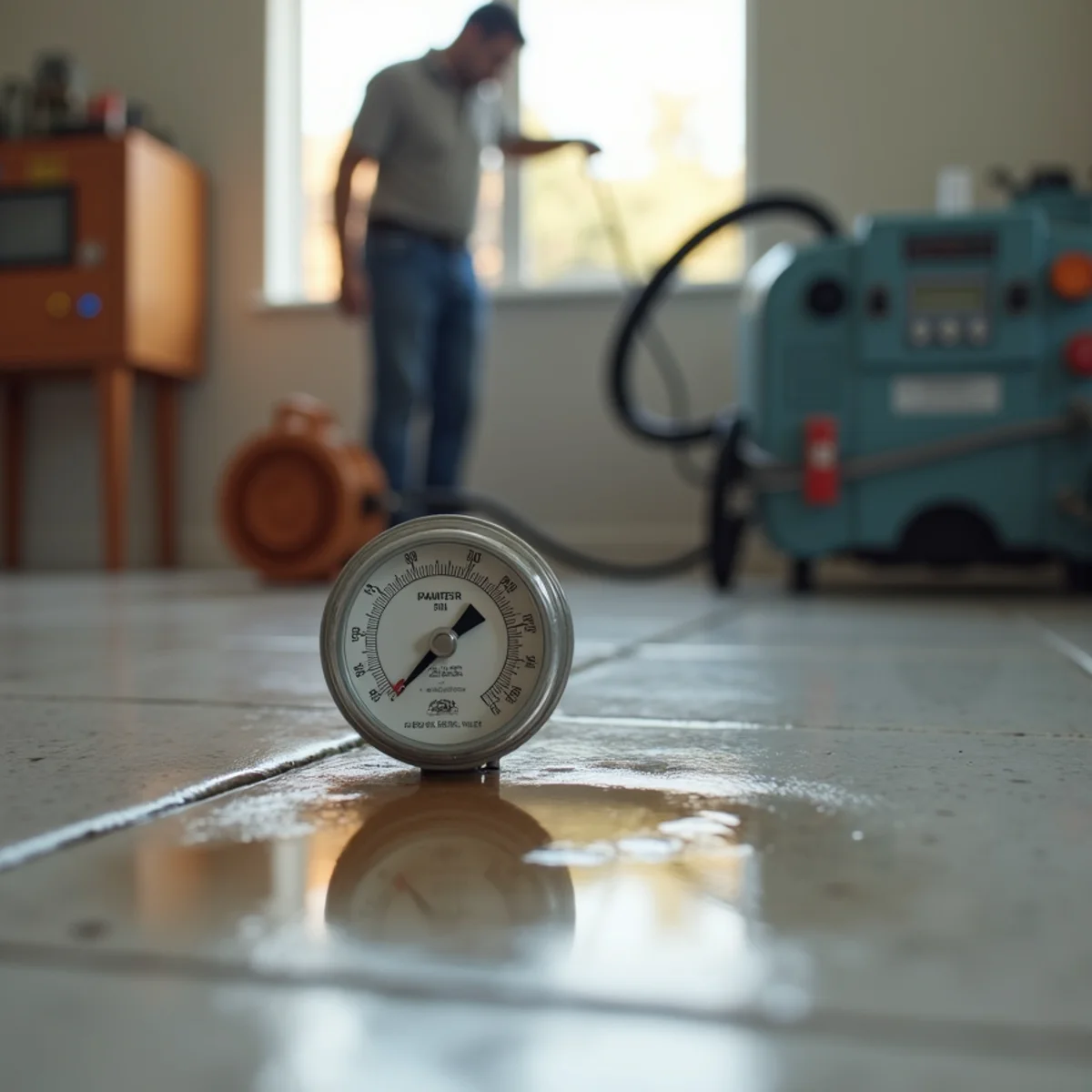
The leaks that do the most damage are the ones you never see happen. No dramatic flood, no puddle spreading across the kitchen floor — just water quietly working its way into subfloor, framing, and drywall for days or weeks before anyone notices. By the time it's obvious, you're usually looking at a much bigger repair than if it had been caught early.
Here's what a hidden leak actually looks like before it becomes obvious — the signs worth taking seriously the first time you notice them, and why each one points to a real problem rather than something to shrug off until later.
Your water bill jumped and nothing changed
If your usage habits haven't changed but the bill has climbed, that's one of the most reliable early signs of a hidden leak. Confirm it with a simple meter test: make sure every fixture and appliance in the house is off, including the ice maker and any irrigation timer, then check your water meter's leak indicator, usually a small triangle or spinning dial. If it's still moving with everything off, water is escaping somewhere in the system. Pull up a few months of past bills if you can — a gradual climb points to a small, slow leak, while a sudden jump usually means something failed outright.
A warm or hot patch on the floor
Chino Hills homes are mostly slab-on-grade construction, with water lines running through or under the concrete. If a hot-water line under the slab develops a leak, heat radiates up through the floor, and you'll notice a patch of flooring that stays warm regardless of the season — sometimes concentrated enough to feel through tile or hardwood with bare feet, and easiest to notice first thing in the morning before the rest of the house has warmed up. This is one of the clearest single signs of a slab leak specifically, and it's worth walking the house barefoot if you suspect one.
You hear running water with everything off
Walk the house with every faucet, appliance, and fixture off and just listen — near interior walls, in closets, by the water heater, and along any exposed plumbing in the garage. A faint hissing or trickling sound that shouldn't be there, especially one that's more noticeable at night when the house is quiet and background noise drops out, usually means water is moving somewhere in the system that it shouldn't be. Don't overlook outdoor irrigation valves either; a stuck or leaking valve can sound remarkably similar and is worth ruling out separately.
Low water pressure throughout the house
A leak upstream in your plumbing pulls water, and pressure, away from every fixture downstream. If pressure has dropped house-wide rather than at one single faucet or showerhead, and there's no obvious explanation like a shared line clog or the water company working nearby, a leak feeding off your main supply is a real possibility worth checking further. Pressure that drops specifically when another fixture runs — a toilet refilling while you're in the shower, for instance — is a smaller version of the same clue.
Ceiling stains, bubbling paint, and a musty smell that won't quit
Discoloration, bubbling paint, or a soft spot on a wall or ceiling that isn't below a bathroom or roof line is a signal worth acting on. Water travels along framing before it shows up visually, so the stain itself isn't necessarily right above the actual leak — but its presence means moisture has been sitting somewhere in that structure for a while. A persistent damp or musty odor concentrated in one room or closet works the same way: if it doesn't improve with cleaning or ventilation, moisture is present somewhere nearby that you can't see — inside a wall, under flooring, or in a crawlspace beneath that part of the house. Either sign on its own is worth investigating; together, they're a strong indicator that something has been wet back there for longer than a day or two.
Why this is common in hillside neighborhoods like Payne Ranch
In areas like Payne Ranch, larger lots mean longer plumbing runs across bigger floor plans — more pipe, more fittings, more places a line can fail, and more distance for water to travel along framing before a stain ever appears. Extensive landscaping and irrigation on those same lots add another wrinkle: heavy watering can saturate soil against the foundation and produce damp spots or musty smells that look exactly like a plumbing leak but aren't, which is why tracing the actual source matters before anyone starts opening walls or floors on a guess.
What to do once you notice these signs
Don't guess, and don't start opening walls or flooring on a hunch. Professional leak detection uses acoustic listening equipment, thermal imaging, and pressure testing to pinpoint a leak's exact location without exploratory demolition, and if it turns out to be under the slab, that same precision carries into slab leak repair and restoration — so only the exact spot that needs opening gets opened, and the water damage the leak already caused gets dried and restored properly instead of just patched over.
If you're noticing any of these signs, don't wait for it to get worse. Call Water Damage Chino Hills at (201) 277-9344 — we're available 24/7 to track down the source and stop the damage before it spreads further.
Frequently asked questions
How do I do a water meter leak test?
Could a hidden leak be affecting my foundation?
How much water can a hidden leak waste before it's found?
Water Damage Chino Hills
A local, IICRC-certified restoration team serving Chino Hills and the Inland Empire 24/7. Water damage right now? Call (201) 277-9344.