
Local Chino Hills
Do Pipes Freeze in Chino Hills? Foothill Freeze Nights and Winter Storm Prep
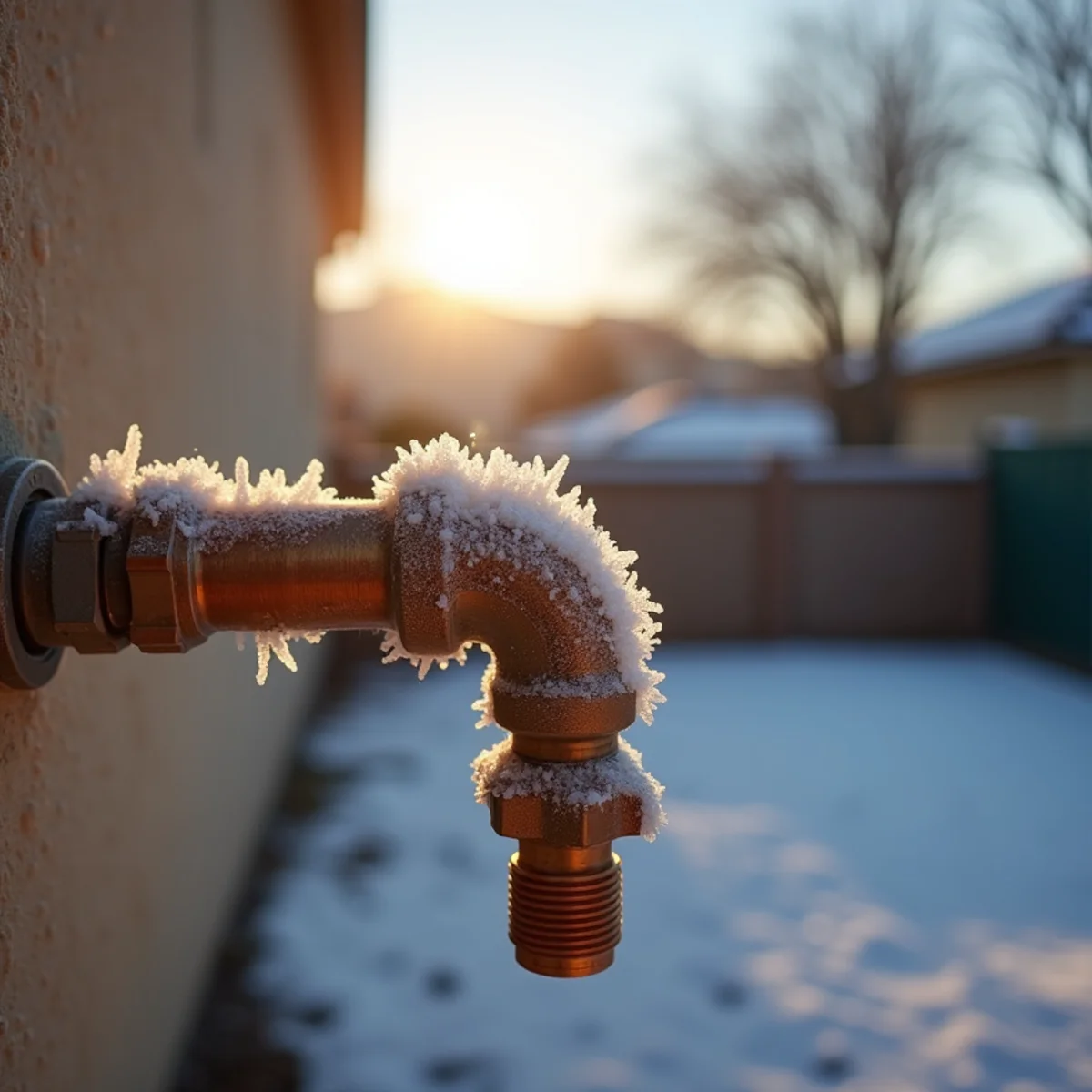
Chino Hills doesn't get winters that require pipe insulation as a matter of course — this isn't Denver, and a hard freeze here is the exception, not the rule. But "rare" isn't "never." On the coldest, clearest nights of the year, typically in December and January, foothill elevations around Chino Hills can dip to or just below freezing for a few hours before dawn. That's enough to burst an exposed pipe, even in a climate that spends most of the year worrying about heat, not cold.
The confusion is understandable. Most homeowners here have never lived anywhere that required freeze protection, so there's no built-in habit of covering hose bibs or disconnecting hoses before winter the way there would be in a colder state. That's exactly why the handful of genuinely cold nights each year catch people off guard — the risk is real but infrequent enough that it's easy to forget about until a pipe splits.
Why Foothill Neighborhoods Run Colder Than the Valley Floor
Cold air is denser than warm air, so on a still, clear night it drains downhill and settles in low pockets and foothill terrain the same way water does. Chino Hills sits at higher elevation than the flat valley floor around Chino and Ontario, and clear winter nights, the kind that follow a cold storm system moving through, let the ground and the air just above it radiate heat away quickly. Elevation plus clear-sky radiative cooling means foothill neighborhoods can run several degrees colder overnight than nearby lower-elevation areas, usually bottoming out in the last few hours before sunrise.
Which Pipes Are Actually at Risk
Most plumbing in a Chino Hills home is protected: inside conditioned walls, in a heated interior, or below ground deep enough to stay above freezing. The vulnerable points are the exceptions:
- Exterior hose bibs and the pipe segment feeding them
- Supply lines running through an unheated garage
- Pipes in an attic, especially near an eave or outside wall
- Any exposed pipe on a north-facing exterior wall
- Irrigation backflow devices and above-ground sprinkler valves
- Pipes under a kitchen or bathroom sink on an exterior wall, if that wall is poorly insulated
If none of these apply to your home, your freeze risk is genuinely low. If even one does, it's worth a few minutes of prep before a hard-freeze night.
Watching for a Freeze Night
You don't need to track the weather obsessively — just pay attention when a winter storm forecast includes an overnight low near or below freezing, which typically happens on the clear, cold nights right after a storm system pushes through and the skies go calm and clear. That combination of recent rain, clearing skies, and calm wind is the classic setup for the coldest overnight temperatures of the year here.
What to Do Before a Cold Night
- Disconnect garden hoses from every exterior spigot — a connected hose traps water in the bib and is the single most common freeze failure in mild climates
- Cover exposed hose bibs with an insulated faucet cover, available cheaply at any hardware store
- Open cabinet doors under sinks on exterior walls so warmer household air can reach the pipes
- Let a faucet fed by an exposed or exterior-wall line drip slightly overnight — moving water is far less likely to freeze solid
- If you have pipes in the garage, keep the garage door closed and consider foam pipe insulation on exposed runs
- Know where your main shutoff valve is, so you're not searching for it at 2 a.m. if something does fail
If a Pipe Freezes or Bursts
A frozen pipe that hasn't burst usually shows up as no water, or a weak trickle, from one fixture while the rest of the house works fine. Don't use an open flame to thaw it — a hair dryer or space heater aimed at an accessible section, or simply warming the room, is safer. The real danger is a pipe that's already cracked from the ice inside it: it may not leak until it thaws, so if you find a frozen line, shut off the water to that section before you warm it up.
If a pipe does burst, shut off the main water valve immediately and call for help — a burst pipe releases water fast regardless of what caused it. Our burst pipe cleanup team responds 24/7, and if water is already spreading across flooring or into a ceiling below, our emergency water removal service gets ahead of it before the damage compounds overnight.
Foothill Neighborhoods Like Oak Tree Downs
Neighborhoods higher in the hills, including Oak Tree Downs, tend to see the lower end of Chino Hills' overnight temperature range simply because of elevation. It's not a reason to worry — it's a reason to spend five minutes covering your hose bibs on the handful of nights each winter when the forecast calls for a hard freeze.
If a cold snap catches you off guard and a pipe fails, call (201) 277-9344 any hour of the night. We'd rather talk you through protecting your pipes before a freeze than clean up after one, but we're ready for both.
Frequently asked questions
Does Chino Hills really get cold enough to freeze pipes?
Which pipes should I actually worry about?
Should I let my faucets drip every winter night?
Water Damage Chino Hills
A local, IICRC-certified restoration team serving Chino Hills and the Inland Empire 24/7. Water damage right now? Call (201) 277-9344.