
How It Works
Stormwater Got Inside: What's Salvageable After a Flood and What Isn't
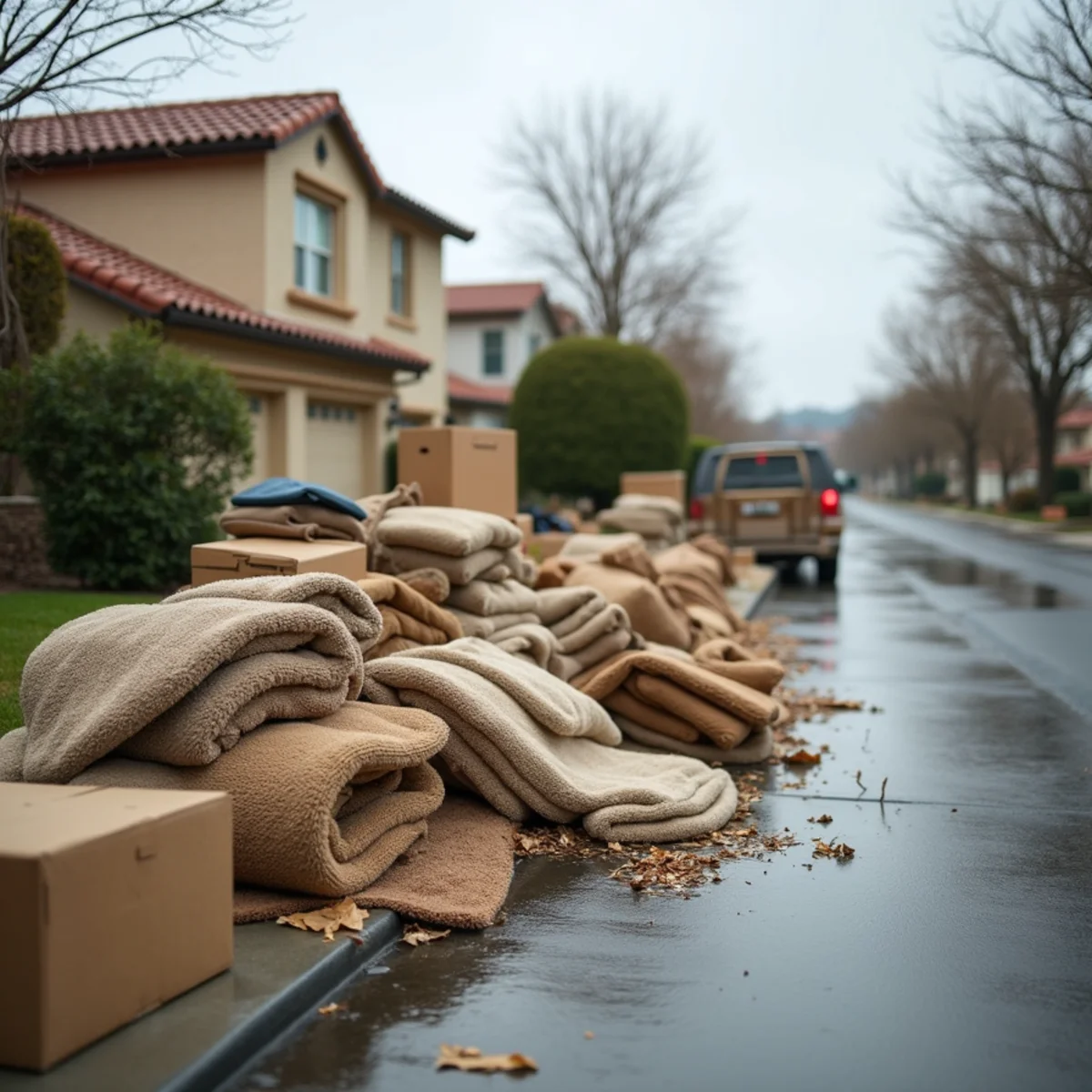
Once stormwater or runoff gets inside a home, the questions change. It's not just "how do we dry this out" anymore — it's "what's actually safe to keep," and that decision follows health rules, not sentimental ones or how expensive something was. It's a hard adjustment to make in the middle of a stressful day, but the sooner the sorting happens, the less time contamination has to sit against materials that were still salvageable when the water first receded. Here's how that call actually gets made.
Why Floodwater Gets Treated Differently Than a Pipe Leak
Water from a clean supply line is a very different substance than water that traveled across a yard, a street, or a hillside before it reached your floor. Storm and runoff water picks up soil, fertilizer and pesticide residue, bacteria from animal waste, and whatever else it crossed on the way in — which is why the restoration industry classifies it as Category 3, the same contamination level as raw sewage, regardless of how visually clean it looks once it's inside. Even water that looks like it's mostly settled and clear again can still carry fine sediment that hasn't fully dropped out of view, along with dissolved contaminants that never show up visually at all. That classification, not appearance, is what drives every decision after it, starting with how water extraction itself has to be handled once contamination is involved.
The Rule That Decides Almost Everything: Porous vs. Non-Porous
Non-porous materials — tile, sealed concrete, glass, metal, hard plastic, solid wood furniture with an intact finish — can generally be cleaned and disinfected because contamination stays on the surface where it can actually be removed. Porous materials absorb water into their structure, carrying contamination with it into a space no amount of scrubbing can reach. Foam cushioning, fabric weave, and cardboard fibers all work the same way carpet pad does — they draw contamination deep inside through capillary action, and surface cleaning never reaches what's been absorbed. That category includes carpet and pad, upholstered furniture, mattresses, particleboard or MDF furniture, most drywall below the waterline, insulation, and paper goods. If floodwater soaked into it, it almost always has to go — not because it looks ruined, but because it can't be made safe again.
Common Judgment Calls, Room by Room
- Kitchen and bathroom cabinets: solid wood sometimes survives with drying and cleaning; particleboard cabinet boxes swell and delaminate and almost never do
- Mattresses and box springs: always discard if submerged — there's no practical way to disinfect the interior padding
- Upholstered furniture and area rugs: the cushioning and backing hold contamination the same way carpet pad does, so cleaning the visible surface doesn't reach it
- Electronics: don't power anything back on; have it inspected before use, since contaminated water inside a device is both a safety and a corrosion issue
- Canned and sealed food: intact factory-sealed cans can usually be cleaned and kept; anything with a screw lid, cardboard packaging, or a broken seal should be discarded
- Photos and documents: often salvageable through careful air-drying or freeze-drying if addressed quickly — worth trying before writing them off
The 24-to-48-Hour Clock Still Applies — Maybe Faster
Mold can begin colonizing damp organic material within 24 to 48 hours under normal conditions, and floodwater often accelerates that timeline because it's already carrying organic matter, soil, and mold spores from outside. That means the wait-and-see approach costs you more with floodwater than it does with a clean leak. Items and materials that are borderline salvageable become clear losses fast when the decision gets delayed. It rarely makes sense to wait for an adjuster's visit before starting removal of obviously ruined porous material either — document it thoroughly first, but don't let contaminated items sit in a closed-up house for days waiting on paperwork.
What Gets Removed From the Structure Itself
Inside the walls, the same porous-material logic applies. Drywall that absorbed floodwater gets a flood cut well above the waterline to account for wicking, wet insulation comes out with it, and baseboards are typically discarded rather than dried, since they sit right at the waterline and are inexpensive to replace compared to the risk of leaving contaminated material in place. Cabinet toe-kicks and the lower few inches of cabinet boxes often need the same treatment, for the same reason — they sit right where floodwater pooled, and rebuilding them is cheaper than gambling on what's sealed behind a finished kickplate. Subfloor is judged case by case — solid plywood subfloor can sometimes be dried and disinfected if it's addressed quickly, while particleboard subfloor rarely survives contact with contaminated water.
Document Before You Discard
Before anything leaves the house, photograph it in place and keep a running list — your insurer will want documentation of what was lost, and once items are on the curb that record is gone. Most policies separate structure and contents into different coverage categories, so a thorough, photographed inventory genuinely affects what gets reimbursed — it isn't just a formality. This is also where a professional flood crew earns its keep: we document the loss item by item as part of the cleanup, which supports your claim instead of leaving you to reconstruct it from memory later.
When the Water Came From Outside, Call for Flood-Specific Cleanup
Homes in newer, low-lying developments like Eastvale can see significant water intrusion during heavy storm events even without a creek or river nearby — sheet flow across flat terrain finds the path of least resistance, and that's often a garage slab or a low exterior door threshold. This isn't a job for towels and a shop vac; contaminated water needs PPE, proper disposal, and disinfection handled correctly the first time.
If stormwater got into your home, call (201) 277-9344 for flood cleanup that sorts what's salvageable from what isn't — safely, and with documentation for your claim.
Frequently asked questions
Why does floodwater get thrown out even if it looks clean?
Can carpet ever be saved after a flood?
What should I do with photos or documents that got wet?
Water Damage Chino Hills
A local, IICRC-certified restoration team serving Chino Hills and the Inland Empire 24/7. Water damage right now? Call (201) 277-9344.