
Local Chino Hills
The Euclid Fire (July 2025): How Fast Brush Fires Near Prado Dam Create Water Damage Emergencies
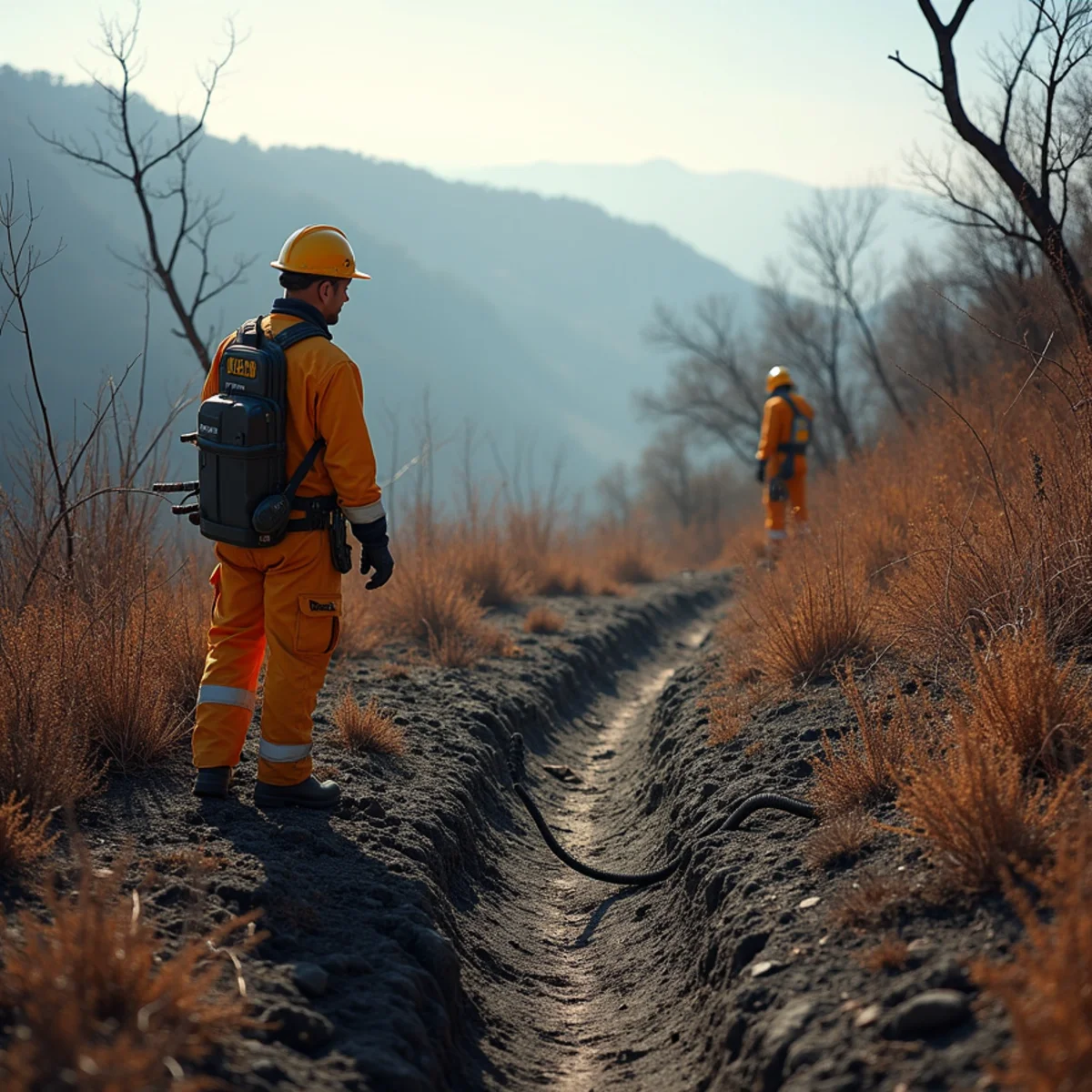
In July 2025, the Euclid Fire moved through brush country near Prado Dam, the flood-control basin where the Santa Ana River is held back along the Chino and Corona border. Like most fast-moving brush fires in this part of Southern California, it burned through in days and was mostly forgotten by the time news coverage moved on. That's a mistake. For homes downslope and downstream of a burn scar, the real water damage risk doesn't start until the fire is out — it starts with the first hard rain.
Chino Hills sits in exactly this kind of terrain: steep hillsides, canyon corridors, and open wildland edges that connect directly to residential streets. When a fire like the Euclid Fire strips vegetation off those slopes, it changes how the ground behaves in a storm — and not in your favor.
What the Euclid Fire Burned Through
The Euclid Fire burned brush and grassland in the hills near Prado Dam, on the terrain that drains toward Chino, Chino Hills, and Carbon Canyon. It's the kind of fast, wind-pushed brush fire that's become routine in this region — not a headline-grabbing mega-fire, but large enough to strip a meaningful stretch of hillside down to bare soil and ash. That's the part that matters for what comes next.
Fires like this one tend to hit during the hottest, driest stretch of the year, when brush is fully cured and ready to burn. Crews contain them within days, coverage moves on within a week, and most residents outside the immediate evacuation zone stop thinking about it entirely. The hillside itself doesn't get that luxury — it sits bare through the rest of fire season and into the first storms of winter with nothing holding it together.
Why a Burned Hillside Can't Handle Rain Like It Used To
Healthy hillside vegetation does more work than most homeowners realize. Root systems hold soil in place, plant canopy breaks the force of falling rain, and the organic litter layer on the ground slows water down and lets it soak in. Fire removes all three at once.
Intense heat can also bake the top layer of soil into a water-repellent crust — a real phenomenon in burned chaparral terrain, not a scare tactic. Instead of rain soaking into the ground, it sheets across the surface, picking up ash, loose soil, and rock as it goes. A slope that used to absorb a storm now sends that same storm downhill fast, carrying debris with it.
Debris Flow Is a Different Problem Than Flooding — and You Can Get Both
Ordinary storm flooding is a water problem: too much rain, not enough drainage capacity. A post-fire debris flow is a water and mud-and-rock problem — a slurry of ash, soil, and vegetation debris moving with enough force to fill yards, block driveways, and push into garages and ground-floor rooms. It can happen with rainfall that wouldn't normally cause any trouble on an unburned slope, which is why flood control agencies watch known burn scars so closely through the first rainy seasons after a fire.
The practical impact for a homeowner is that storm drains, yard drains, and street catch basins sized for clean rainwater runoff can choke on sediment and debris well before they reach their rated water capacity. A drain that handled every storm for twenty years without issue can back up in the very first storm after a nearby fire, simply because it's now trying to pass silt and ash along with the water.
Carbon Canyon and Nearby Hillside Homes Are in the Path
Homes along Carbon Canyon and other hillside neighborhoods that back up to open wildland are the ones most exposed when a burn scar sits upslope. Carbon Canyon's winding terrain and steep lots already concentrate runoff in a normal storm; add a denuded hillside feeding into that same drainage path, and the volume and speed of water — and what it's carrying — both increase. You don't have to be adjacent to the actual burn area to feel the effect. You just have to be downstream of it.
What to Watch For Before the Next Storm
- Ash, loose soil, or rock buildup in gutters, yard drains, and street catch basins near your property
- Any county or city notices about debris basins, K-rail placement, or sandbag stations near a recent burn area
- Cracks, slumping, or bare soil on a slope above your home that wasn't there before the fire
- Standing water pooling in new places in your yard — a sign drainage paths have shifted
If you're downslope of any recent burn, don't wait for a big storm to test your drainage. Clear gutters and yard drains before the season's first rain, and know where sandbags are available locally if officials flag your area as elevated risk.
If Water or Debris Gets Into Your Home
Move fast once water or mud is inside. Ash- and soil-laden water is messier and harder to extract than clean water, and it works contamination into carpet, baseboards, and subfloor the longer it sits. Our storm damage cleanup crews handle exactly this combination — water extraction, mud and debris removal, and structural drying — and we respond 24/7 across Chino Hills and Carbon Canyon.
Don't guess at whether a slope above your home is a real risk. If the Euclid Fire or any other recent burn sits upstream of your property, call us at (201) 277-9344 before the season's first major storm — we can talk through what to watch for, and we're ready around the clock if water or debris does get in.
Frequently asked questions
How long does the flood and debris-flow risk last after a wildfire?
Does homeowners insurance cover mudslide or debris-flow damage?
My home isn't near the actual burn area — am I still at risk?
Water Damage Chino Hills
A local, IICRC-certified restoration team serving Chino Hills and the Inland Empire 24/7. Water damage right now? Call (201) 277-9344.