
Insurance & Cost
How to Document Water Damage for an Insurance Claim (Photo & Receipt Checklist)
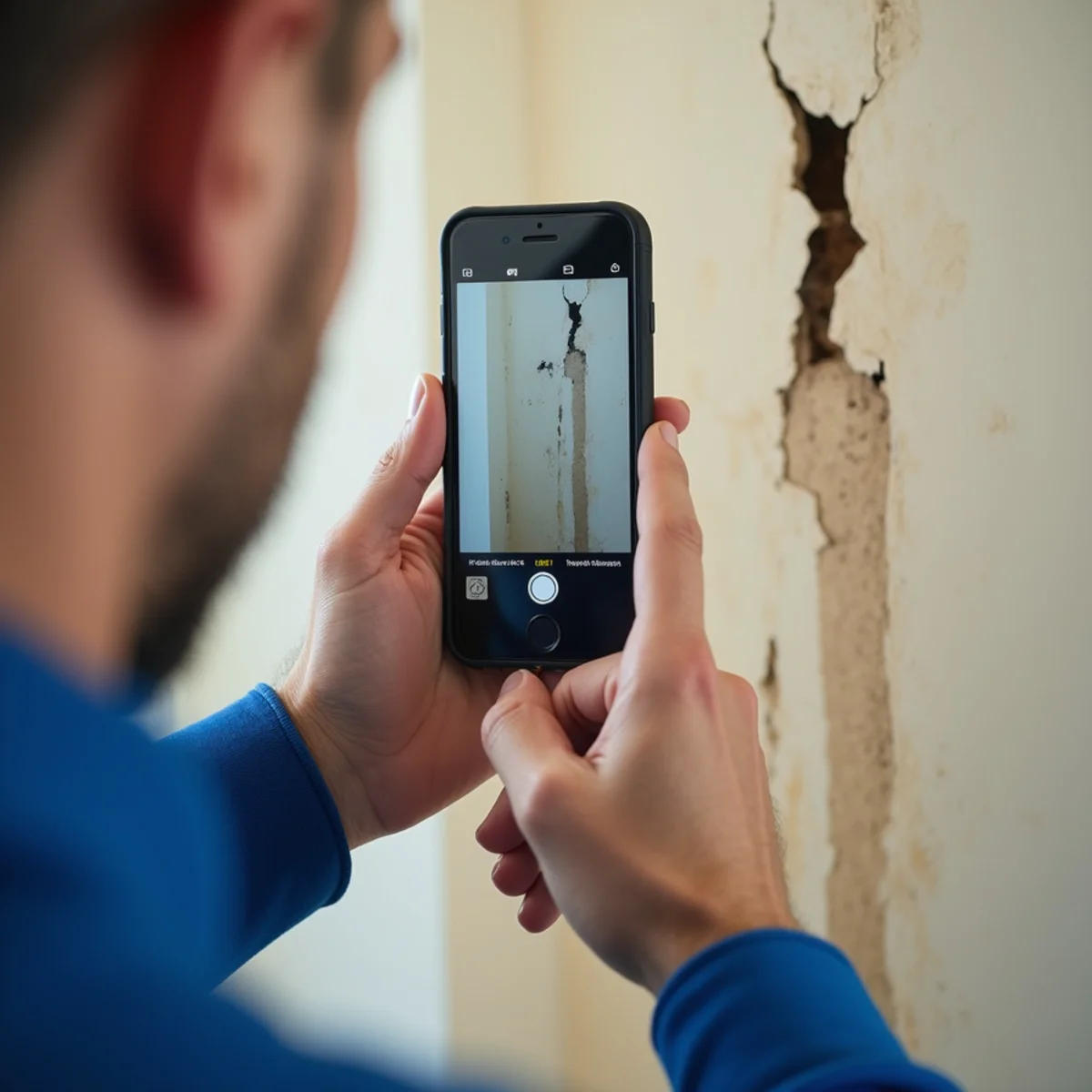
An insurance adjuster wasn't in your house when the pipe let go. Everything they know about your loss comes from what you show them — photos, a timeline, receipts, and a professional report. Two homeowners with identical damage can get very different claim outcomes based purely on how well that story was documented in the first 24 hours.
Here's exactly what to capture, in what order, and why each piece matters.
Why Documentation Decides More Than the Damage Itself
Adjusters aren't being difficult when they ask for extensive documentation — they're building a record that has to hold up if the claim is ever questioned, often across dozens of files with no memory of your specific loss beyond what's in the folder. The homeowner who hands over a complete, dated, timestamped record almost always has a smoother claim than the one who describes what happened from memory two weeks later. This matters for any size loss — from a contained bathroom leak to full water damage restoration — because the documentation standard doesn't change with the size of the claim. Good documentation doesn't guarantee coverage, but poor documentation can absolutely cost you coverage you were otherwise entitled to.
Think of your documentation as the evidence file for a claim you hope never needs a second look. Most claims settle without dispute exactly because the file is clear enough that there's nothing left to argue about.
Before You Touch Anything: The Photo and Video Checklist
As soon as it's safe, and before you start moving items or mopping up, capture:
- Wide shots of every affected room from multiple angles, showing the extent of standing water or wet materials
- Close-ups of the source itself — the burst fitting, the failed appliance, the overflowing fixture
- Any visible damage to flooring, drywall, ceilings, cabinetry, and baseboards
- Damaged personal belongings, ideally before you move them, with a second photo after they're relocated to a dry area
- A short walkthrough video narrating what happened and when you discovered it
Only after this initial documentation should you start moving items, mopping standing water, or calling for emergency water removal. Mitigation matters — most policies actually require you to prevent further damage — but a few extra minutes of photos first protects the claim you're about to file.
Track the Timeline — It Matters as Much as the Photos
Write down, as close to real time as you can, when you first noticed the water, what you did in response, and when you called for help. This timeline is often the deciding factor in whether a claim is treated as sudden and accidental or gradual. "Discovered water at 7:40 a.m., shut off the main valve at 7:45, called a restoration company at 7:50" is a far stronger record than "found it sometime this week." If you can show approximately when the failure happened — a dry floor the night before, for instance — that detail can matter more than any photo. If you called a plumber, contacted your HOA, or a neighbor witnessed the event, note their name and the time too — a second account of the timeline only strengthens yours.
Save Every Receipt, Even the Small Ones
Keep receipts for anything you purchase related to the loss: fans, a wet/dry vacuum, temporary lodging if the home isn't livable, storage for belongings, even bottled water if your supply was affected. Many of these emergency mitigation expenses are reimbursable under a standard policy, but only if you can show what you spent and why. Keep a simple running list with dates — a shoebox of receipts works, a phone folder works better. Thermal-paper receipts fade within weeks, so photograph or scan each one the day you get it rather than counting on the physical slip surviving until you file.
What Professional Documentation Adds That Your Phone Can't
Your photos tell the story of what the damage looked like. A restoration company's documentation adds the parts an adjuster actually relies on for the estimate: moisture readings at the start of the job and daily through drying, a written scope of affected materials, the water category and its likely source, and photos taken in the same format adjusters see every day. When we respond to a call in Diamond Bar or anywhere else in our service area, that documentation becomes part of the claim file from day one, not something reconstructed later from memory. We also record moisture readings from unaffected areas of the home as a dry-standard baseline, which is what actually proves the space was returned to normal — not just that equipment ran for a few days.
Common Documentation Mistakes That Hurt Claims
A few patterns show up again and again in claims that get delayed or reduced:
- Cleaning up or discarding damaged materials before anything is photographed
- Waiting days to report the loss to the insurer, which raises questions about mitigation and timeline
- No photos of the source itself — only the resulting puddle or stain
- Throwing away receipts for mitigation purchases, assuming they're too small to matter
- Relying entirely on memory for when the damage was discovered
Building Your Claim File
Keep everything in one place — a folder, physical or digital — organized by date: your initial photos and video, your timeline notes, every receipt, the restoration company's estimate and moisture logs, and any correspondence with your adjuster. When you eventually submit the claim, you're not scrambling to reconstruct what happened; you're handing over a file that already tells the whole story. Include a copy of your policy's declarations page in that same folder — it's the fastest way for anyone helping you, including us, to see your coverage limits and deductible without a delay.
If you're dealing with active water damage right now, document what you safely can and then call (201) 277-9344. We'll pick up the documentation from where you are and build the professional record your claim needs from there.
Frequently asked questions
How soon do I need to report a water loss to my insurer?
What if I already cleaned up before I thought to take photos?
Should I get my own estimate or rely on my insurer's adjuster?
Water Damage Chino Hills
A local, IICRC-certified restoration team serving Chino Hills and the Inland Empire 24/7. Water damage right now? Call (201) 277-9344.