How It Works
Category 1, 2, or 3? Why the Type of Floodwater Changes the Entire Cleanup
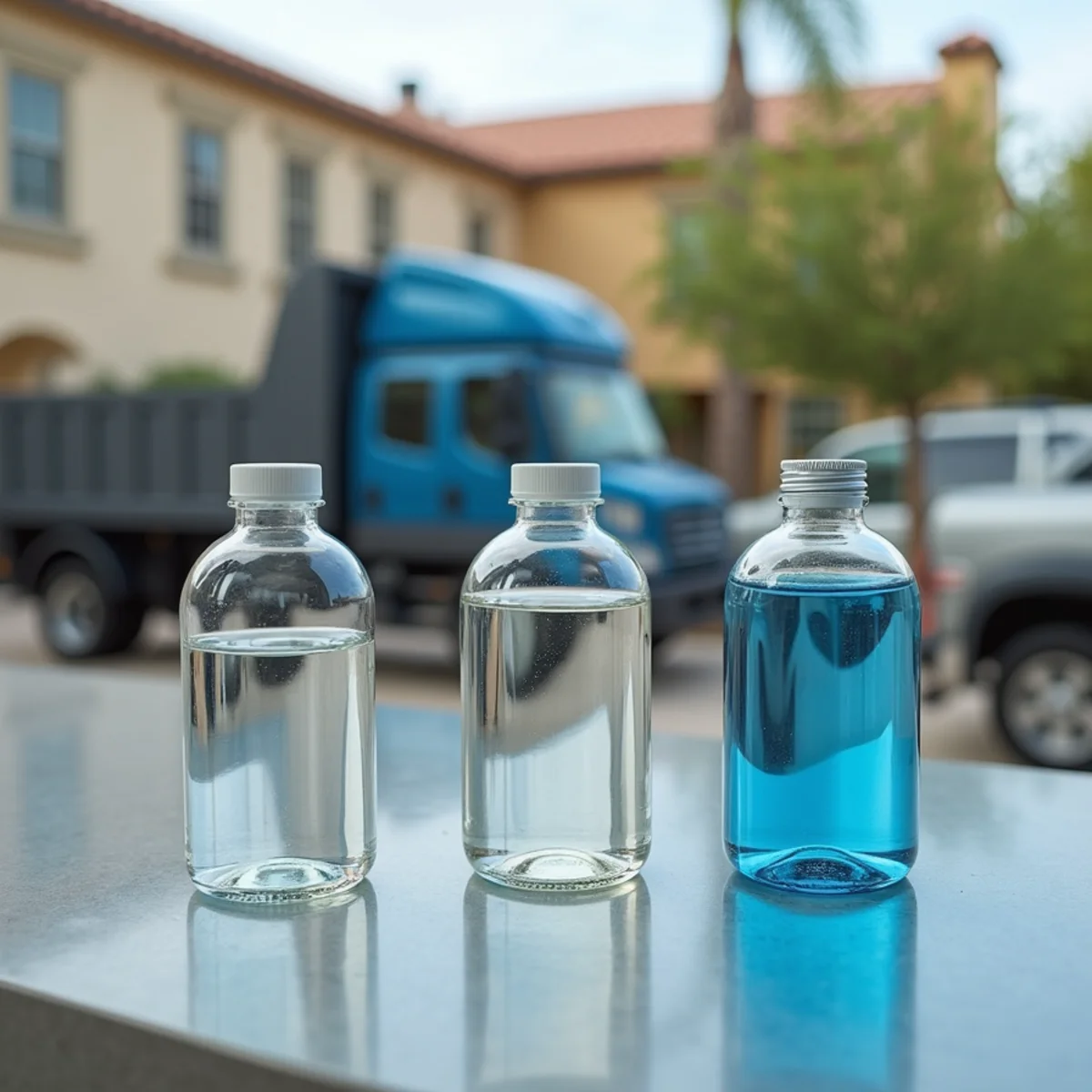
Two rooms can have the exact same amount of standing water and require completely different cleanups. The difference isn't the volume — it's the category. The restoration industry classifies water damage into three categories based on contamination level, and that classification decides everything from what protective gear a crew wears to what gets thrown away versus dried in place. None of this is really about labels for their own sake — it's a practical framework that keeps a crew from either over-treating a simple leak or, worse, under-treating something that's actually a health hazard.
Category 1: Clean Water
Category 1 water comes from a sanitary source with no contamination at the time of the loss — a broken supply line, a malfunctioning water heater, an overflowing sink with tap water only, or rainwater that entered through a roof leak. It doesn't pose a significant health risk on contact, which means more materials can typically be dried in place rather than removed. This is the best-case scenario, and it's also the most time-sensitive one to protect: it's still worth taking seriously on a structural level, because left alone, clean water still swells wood, saturates drywall, and creates the humidity mold needs — the health precautions that dominate the other two categories just mostly don't apply here.
Category 2: Gray Water
Gray water carries a measurable level of contamination — enough to cause discomfort or illness if you're exposed to it. Typical sources include washing machine or dishwasher discharge, a toilet overflow with urine but no solid waste, and aquarium or waterbed failures. It generally requires more caution than Category 1: affected porous materials are evaluated more conservatively, cleanup involves disinfection rather than just drying, and crews use additional protective equipment. Cleanup at this level means disinfecting hard surfaces and being more conservative about what gets dried in place versus removed, especially anything absorbent that was directly saturated. Gray water sits in a middle zone — not the extreme health hazard of sewage, but not something to treat like a clean leak either.
Category 3: Black Water
Category 3 is grossly contaminated water that can contain pathogenic agents, toxins, or other harmful substances. Sources include sewage backups, toilet overflows involving solid waste, and any flooding from rivers, streams, or storm surge that crossed ground contaminated with soil, chemicals, or waste. This category carries a genuine health risk, which is why the response looks different from the moment a crew arrives: full protective gear, containment of the work area, removal of essentially all affected porous materials regardless of how they look, and hospital-grade disinfection of everything that stays. Even a small, otherwise unremarkable-looking amount of Category 3 water gets this treatment, because the risk comes from what's dissolved and suspended in it, not from how much of it you can see. Sewage cleanup is always handled under Category 3 protocols, with no exceptions.
Why the Category Drives the Entire Plan — Not the Volume
An inch of Category 1 water in a bedroom might mean air movers, a dehumidifier, and carpet that gets dried and reused. The same inch of Category 3 water means the carpet and pad are gone regardless of condition, drywall gets a flood cut, every surface gets disinfected, and the crew works in protective suits the entire time. Same depth of water, completely different scope, cost, and timeline — because the category, not the volume, is what determines the health risk and the cleanup standard. It also changes the paperwork: a Category 3 loss requires documentation of what was removed and how it was disposed of, both for your own records and because insurers often expect it.
Categories Can Change — the Clock Matters
Water doesn't stay in its starting category forever. Clean water left standing, especially in warm conditions, can begin picking up contamination from the materials and surfaces it sits against and degrade toward Category 2 within roughly a day or two. Warmer indoor temperatures speed that shift along, since bacteria already present in the environment multiply faster in warm, wet conditions — one more reason a hot Inland Empire afternoon makes a same-day response more urgent, not less. That's one more reason speed matters after any water loss: a same-day response can keep a clean-water event a Category 1 job, while a delayed response can turn it into something that costs significantly more to clean up correctly.
Why You Shouldn't Guess the Category Yourself
Category isn't always obvious by looking at the water — clear-looking water from a compromised source can still carry contamination, and the safe assumption when the source is unknown or involves any drain, sewer, or exterior water is to treat it as contaminated until proven otherwise. A washing machine's supply line failing, for instance, is Category 1; the same machine's drain hose failing mid-cycle is Category 2 — visually the two can look identical, but the source tells the real story. Identifying the true source — not just the water's appearance — is the first thing a trained technician does on arrival, because it determines every decision that follows.
Getting the Category Right From the Start
We see the full range of this across Ontario, from clean supply-line breaks in newer construction to older sewer laterals backing up into homes near the older parts of the city. Getting the category right at the first inspection is what keeps a job from being under-scoped — or from throwing away materials that didn't need to go.
Not sure what kind of water you're dealing with? Call (201) 277-9344 and we'll assess it honestly before recommending flood cleanup or a different level of response — no guessing, no upselling.
Frequently asked questions
What's the difference between gray water and black water?
Can Category 1 water turn into Category 2 or 3?
How do you determine the category on-site?
Water Damage Chino Hills
A local, IICRC-certified restoration team serving Chino Hills and the Inland Empire 24/7. Water damage right now? Call (201) 277-9344.