
Emergency Response
Toilet Overflowing? How to Stop It — and When It's Actually a Sewage Emergency
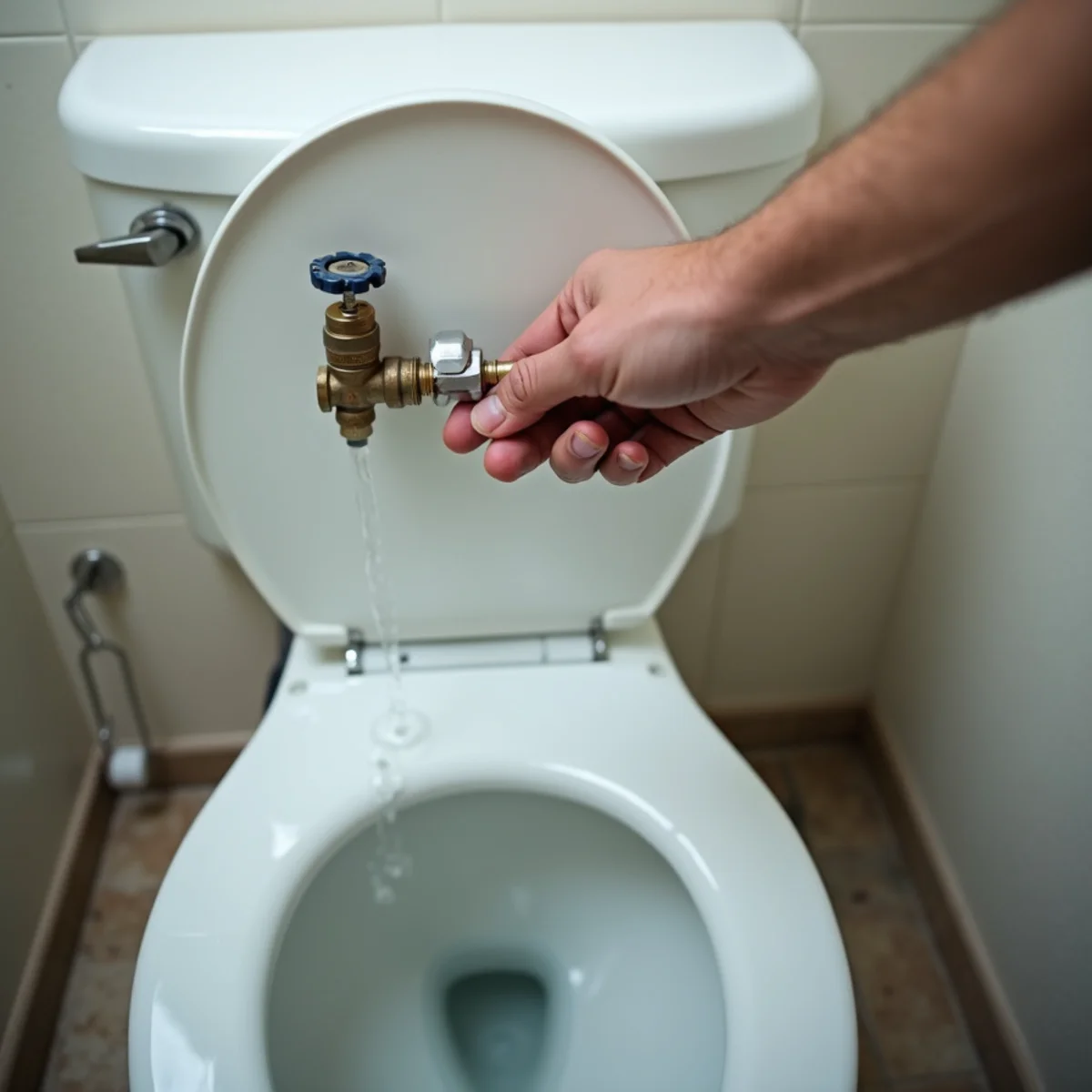
A toilet overflow is one of those emergencies that feels urgent the second it starts, because it is. The water rising toward the rim is either going to stop on its own or it's going to keep coming — and you have about ten seconds to figure out which, then act. Here's exactly what to do, and how to tell a routine clog from a sewage backup that needs professional handling.
1. Stop the water immediately
Behind and slightly below the toilet, there's a small oval shut-off valve on the wall where the supply line meets the wall or floor. Turn it clockwise until it stops. If you can't locate it or it's seized up, take the lid off the tank and lift the fill valve float arm by hand — this stops the tank from refilling, which is usually what's driving the overflow. If neither works fast enough, shutting off your home's main water valve is always the fallback.
2. Look at what's coming out — this determines everything
This is the step people skip, and it matters more than anything else on this list.
- Clear or lightly discolored water: This is almost always a simple clog. Unpleasant, but it's a plumbing fix and a mop-up job, not a biohazard.
- Gray, brown, or black water with an odor, or water backing up from other drains (tub, shower, floor drain) at the same time: This points to a sewage line blockage or backup, not just a clogged bowl. Treat it as contaminated water and stop touching it with bare hands.
If it's the second case, don't try to plunge it or clean it up like a normal spill. Sewage carries bacteria and pathogens that a mop and some paper towels won't safely handle — that's exactly what our sewage cleanup team is equipped and trained for, with the right PPE, antimicrobial treatment, and disposal process.
3. Contain it, don't spread it
Keep pets and kids out of the bathroom. Lay towels around the base to stop water from reaching the hallway or an adjacent room, but if you suspect sewage contamination, use towels you're prepared to throw away rather than ones headed back into your regular laundry. Close the bathroom door if you can, to slow the spread of odor and contain foot traffic.
4. For a simple clog, try a plunger — once
A flange plunger (the kind with an extra rubber flap that seats into the drain) clears most simple clogs in a few firm plunges. If it doesn't clear within a couple of tries, stop — repeated plunging on a deeper blockage can push waste further into the line or, worse, indicate the clog isn't in the bowl at all but further down the drain system, which a plunger won't reach.
5. Know when it's bigger than one toilet
If more than one fixture is backing up — the shower drains slowly right when the toilet overflows, or you hear gurgling from the tub when you flush — that's a sign of a blockage in the main sewer line, not the toilet itself. This is common in older Chino Hills neighborhoods like Los Serranos, where clay or cast-iron laterals have had decades to develop root intrusion or settling. Repeated plunging or flushing at this point just adds more water to a system that's already backing up. Slow-draining sinks or a toilet that's needed an extra flush or two for a week or so beforehand are often early warning signs of that same root intrusion or line settling, so if this isn't the first slow drain you've noticed lately, mention that history when you call for service — it helps narrow down where the blockage actually is.
Cleaning up safely once you know it's contaminated
If you've confirmed this is sewage-contaminated water, change how you approach the cleanup entirely. Wear rubber gloves and, if you have them, boots — bare-skin contact with sewage-contaminated water isn't something to risk for the sake of speed. Keep the bathroom door closed and, if possible, run a window fan for ventilation. Any towels, bath mats, or rags that touched the water should be bagged and either discarded or washed separately on the hottest setting your machine allows — not tossed in with the rest of your regular laundry. Wash your hands thoroughly with soap afterward, and keep children and pets out of the room entirely until it's been professionally cleaned and disinfected, not just mopped up. This isn't about being overly cautious: sewage-contaminated water carries bacteria that can cause real illness well after the visible water is gone.
6. Get the water out and the area disinfected
Once the source is stopped, standing water — especially contaminated water — needs to be extracted, not just mopped. Water that reached the subfloor around the toilet flange, into baseboards, or under vinyl or tile needs professional drying and, for sewage cases, an antimicrobial treatment to eliminate bacteria before anyone reoccupies the space normally. Our emergency water removal crews handle both the extraction and the safety side of the job together.
If you're standing over gray or black water right now, stop cleaning and call (201) 277-9344 — we run 24/7 and can walk you through safe containment on the phone while a crew is on the way.
Frequently asked questions
How do I know if it's a clog or a sewage backup?
Can I use a household vacuum to clean up toilet overflow water?
Is toilet overflow water always contaminated?
Water Damage Chino Hills
A local, IICRC-certified restoration team serving Chino Hills and the Inland Empire 24/7. Water damage right now? Call (201) 277-9344.