
Prevention
Smart Water Sensors and Automatic Shut-Off Valves: Are They Worth It for Your Home?
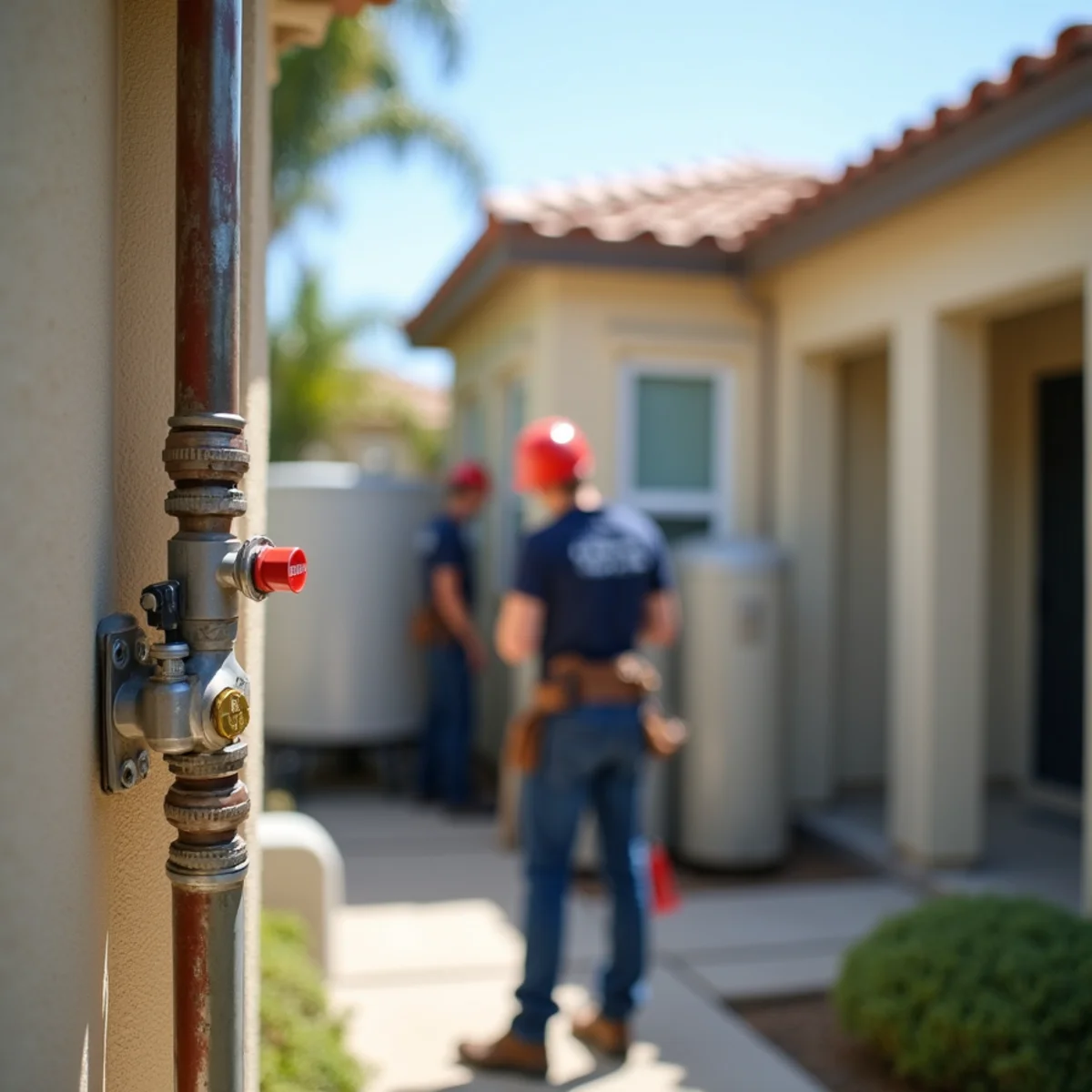
Every water damage call we run shares one thing in common: nobody was standing there when the leak started. A supply line lets go at 2 a.m., a water heater fails while the house is empty for the weekend, an ice-maker line drips behind a cabinet for weeks before anyone notices the swollen floor. Smart water sensors and automatic shut-off valves exist to solve exactly that problem — catching or stopping a leak when no one's around to see it. Whether they're worth installing depends on what kind of protection you're actually buying.
Two different technologies, two different jobs
"Smart water leak detection" covers two genuinely different categories of product, and it's worth being clear about which one you're considering:
- Point sensors are small battery-powered pucks you place directly where leaks tend to start — under a water heater, beneath a washing machine, inside a sink cabinet, next to a sump pump. They detect moisture the moment it touches them and send an alert to your phone. They don't stop the water; they just tell you it's happening, fast.
- Whole-home automatic shut-off systems install at the main water line and monitor flow continuously. When they detect a pattern that looks like a leak — water running steadily for longer than any normal use, or a sudden flow spike — they close a motorized valve and cut water to the entire house automatically, whether or not anyone is home to respond.
Some systems combine both: whole-home flow monitoring plus a network of point sensors feeding into the same shut-off logic. The right choice depends on what you're trying to protect against.
Where point sensors make the most sense
Point sensors are inexpensive, simple to install, and genuinely effective at catching a slow leak long before it becomes visible — the classic case being a water heater that starts weeping at the base, or a dishwasher supply line dripping inside a cabinet. Because they only monitor the specific spot where they're placed, they won't catch a leak anywhere else in the house, so placement matters. The highest-value spots are usually the water heater pan, under every sink, behind the washing machine, near the sump pump, and any crawl space or basement low point where water would naturally collect.
Their limitation is obvious once you think about it: a sensor under the kitchen sink does nothing for a pipe that bursts inside an upstairs bathroom wall. They're a targeted tool, not whole-house coverage.
Where whole-home shut-off systems earn their cost
An automatic shut-off system protects the entire house rather than specific spots, because it's watching total water flow at the main line, not moisture at a fixed point. That makes it effective against failures a point sensor would never catch — a slab leak, a burst line inside a wall cavity, or a fixture that fails while you're traveling for a week. The tradeoff is installation: it requires cutting into your main water line and typically a licensed plumber, so it's a bigger project and a bigger investment than sticking a few sensors around the house.
These systems also take some tuning. A household with a large family, extensive irrigation, or a pool fill line can trigger false shut-offs if the system isn't configured to recognize normal high-flow events. Most systems let you set flow duration and volume thresholds, and it's worth spending time on that setup rather than accepting the factory defaults.
The insurance angle worth asking about
A number of homeowners insurance carriers offer a discount, or credit toward a water-damage deductible, for homes with an installed automatic shut-off system, since insurers have a direct financial interest in leaks getting stopped before they become large claims. The discount amounts and eligibility vary significantly by carrier and policy, so the only reliable way to know what applies to you is to call your agent and ask directly before you buy anything, rather than assuming a specific system qualifies.
What neither system replaces
Both categories are detection and response tools — they don't fix aging plumbing, and they don't replace the maintenance schedule that keeps hoses, water heaters, and valves from failing in the first place. A whole-home shut-off will stop a slab leak from flooding your house, but it won't tell you the slab leak is happening unless it's actively running water; slow, small leaks sometimes stay under the flow threshold that triggers a shutoff. If you already suspect a hidden leak — a rising water bill, a warm spot on the floor, the sound of running water with everything off — that calls for a targeted inspection rather than waiting for a sensor to catch it. Our leak detection team uses acoustic and thermal equipment to pinpoint exactly where a suspected leak is coming from, without opening walls to go looking for it.
A reasonable way to decide
For most homes, a layered approach makes the most sense: point sensors in the handful of spots where leaks are most likely to start (water heater, washing machine, under sinks), plus a whole-home shut-off if your budget allows it — especially for a house that sits empty for stretches, has an aging slab, or has already had one hidden leak. Hillside homes in areas like Diamond Bar, where a lot of housing stock is now old enough to be in slab-leak territory, are a reasonable candidate for the added protection a whole-home system provides.
Already dealing with water from a leak a sensor didn't catch in time, or want a professional opinion on where your home's real risk points are? Call (201) 277-9344 — we're available 24/7 for emergencies and can talk through detection options either way.
Frequently asked questions
Do smart water sensors need Wi-Fi to work?
Will an automatic shut-off valve stop every leak?
Does my insurance company require one of these systems?
Water Damage Chino Hills
A local, IICRC-certified restoration team serving Chino Hills and the Inland Empire 24/7. Water damage right now? Call (201) 277-9344.